Type 2 Diabetes: What It Is, How It Affects You, and What You Can Do
When your body stops responding to insulin like it should, that’s type 2 diabetes, a metabolic disorder where blood sugar stays too high because cells don’t absorb glucose properly. Also known as insulin-resistant diabetes, it’s not caused by eating too much sugar alone—it’s a mix of genetics, lifestyle, and how your body handles energy over time. This isn’t just about checking glucose levels. It’s about how your pancreas struggles, how fat cells interfere with signals, and why even people who aren’t overweight can develop it.
Many people with insulin resistance, the core problem behind type 2 diabetes where muscle and fat cells ignore insulin’s message don’t know it for years. Their blood sugar creeps up slowly, and symptoms like fatigue, frequent urination, or blurred vision get dismissed as stress or aging. But this isn’t normal. It’s your body crying out for help. And the good news? You can reverse the trend. Not always cure it—but control it. Diet, movement, and sometimes medication like metformin can bring things back into balance. Studies show that losing just 5-7% of body weight cuts diabetes risk by over half in high-risk groups.
Then there’s the blood sugar control, the daily practice of keeping glucose levels in a safe range to avoid nerve, kidney, and heart damage. It’s not about perfection. It’s about consistency. A meal high in refined carbs can spike levels fast. A walk after eating can bring them down. Monitoring isn’t just for doctors—it’s for you, every day. And it’s not just about pills. The same tools that help with heart health—reducing processed foods, sleeping better, managing stress—also help with diabetes. These aren’t separate issues. They’re all connected.
What you’ll find below isn’t a list of generic tips. It’s a collection of real, practical insights from people who’ve lived with this. From how antibiotics like trimethoprim can mess with potassium levels in diabetics, to why mindful eating helps more than restrictive diets, to how generic drugs like levothyroxine interact with other conditions you might have. You’ll see how medication safety, patient decision aids, and even how you dispose of old prescriptions matter more than you think. This isn’t theory. It’s what works when you’re trying to stay healthy, stay active, and stay in control—day after day.
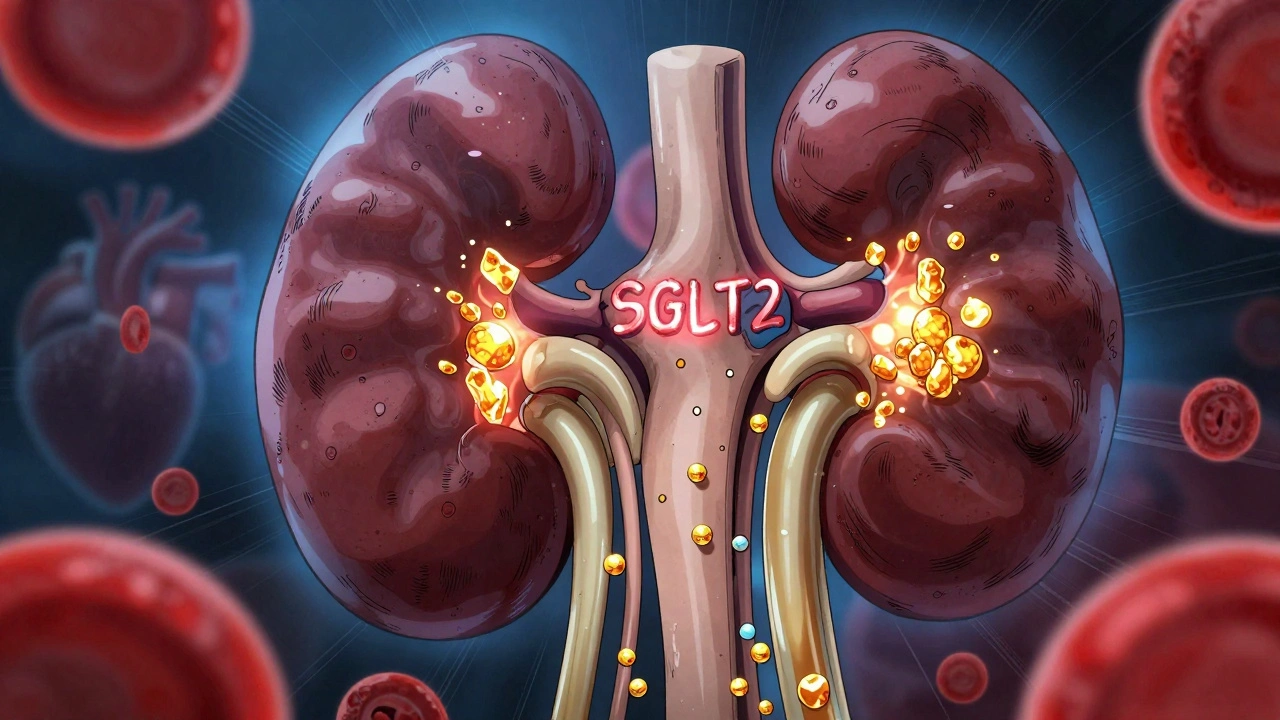
SGLT2 Inhibitors for Type 2 Diabetes: What You Need to Know About Benefits and Risks
SGLT2 inhibitors like Jardiance and Farxiga offer powerful heart and kidney protection for type 2 diabetes patients-but come with risks like yeast infections, ketoacidosis, and kidney stress. Know who benefits most and what to watch for.
learn more