Pay-for-Delay: How Big Pharma Blocks Generic Drugs and What It Means for You
When a pay-for-delay, a practice where brand-name drug companies pay generic manufacturers to delay launching cheaper versions. Also known as reverse payment settlements, it’s a legal loophole that keeps drug prices high even after patents expire. This isn’t about innovation—it’s about control. Every time a brand-name drug’s patent runs out, a generic version should hit the market, cutting costs by 80% or more. But in hundreds of cases, the original maker pays the generic company to wait. Why? Because they’d rather keep you paying $500 for a pill than let you buy the same thing for $50.
This tactic directly affects generic drugs, lower-cost versions of brand-name medications that must meet the same FDA safety and effectiveness standards. The FDA approves these generics, tests them for bioequivalence, and clears them for sale. But if the brand-name company pays the generic maker to sit on the approval, that drug never reaches shelves. The result? You, your insurer, or Medicare keeps paying inflated prices. The FTC has sued over 50 of these deals since 2000, and courts have ruled many are illegal—but they still happen.
It’s not just about one drug. pharmaceutical patents, legal protections that give drugmakers exclusive rights to sell a medication for a set time. These are meant to reward innovation, not extend monopolies. Companies stretch them by making tiny changes to a drug—switching the pill shape, adding a coating, or tweaking the dosage—and filing new patents. Then they use pay-for-delay to block competitors who might challenge those weak patents in court. Meanwhile, patients with chronic conditions like high blood pressure, diabetes, or thyroid disorders wait years for affordable options.
And when these deals happen in fertility meds, thyroid drugs, or antibiotics—like the ones covered in posts on Synthroid, linezolid, or trimethoprim—the impact hits harder. People who need these drugs every day can’t afford to wait. They’re stuck paying more because a few corporations decided it’s cheaper to pay off a competitor than to let the market work.
There’s a growing push to ban pay-for-delay outright. Some states have passed laws against it. Congress has tried to close the loophole multiple times. But until that happens, you’re left navigating a system designed to protect profits over people. The posts below show how this plays out in real prescriptions—from generic substitution rules to FDA oversight gaps to how insurance plans push (or block) cheaper options. You’ll see how these hidden deals affect what’s on your pharmacy shelf, what your bill says, and whether you can actually afford to stay healthy.
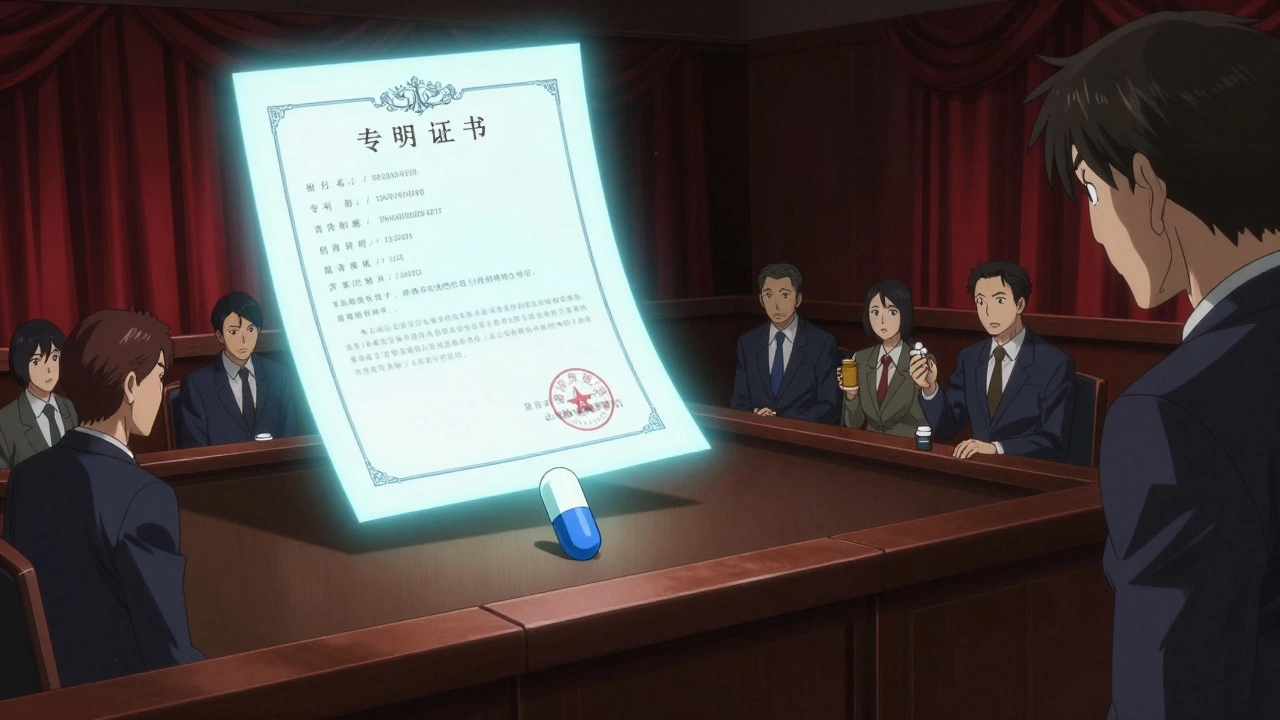
Litigation in Generic Markets: How Patent Disputes Delay Affordable Medicines
Patent litigation in generic drug markets is delaying affordable medicines, costing billions annually. Learn how the Hatch-Waxman Act, Orange Book listings, and pay-for-delay settlements are shaping access to generics.
learn more