Orange Book Patents: What They Mean for Generic Drugs and Your Medication Choices
When you hear Orange Book patents, the official list of FDA-approved drug products with patent and exclusivity information that controls when generic versions can launch. Also known as Approved Drug Products with Therapeutic Equivalence Evaluations, it’s the rulebook that decides which generic drugs can legally hit the market and when. This isn’t just bureaucratic fine print—it’s the reason you can buy levothyroxine for $4 instead of $400, and why your pharmacist can swap your brand-name pill for a generic without asking.
The FDA Orange Book, the public database maintained by the U.S. Food and Drug Administration that lists approved drugs, their patents, and therapeutic equivalence ratings tracks every patent filed by brand-name drugmakers. These patents can cover the active ingredient, how it’s made, even how it’s packaged. But here’s the catch: once a patent expires—or if a generic company successfully challenges it—the FDA lets other companies sell the same medicine under a different name. That’s where therapeutic equivalence, the FDA’s rating system that says two drugs work the same way in the body, even if they’re made by different companies comes in. If a generic is rated AB in the Orange Book, it’s legally and medically interchangeable with the brand. No guesswork. No risk. Just the same effect, at a fraction of the price.
This system was built by the Hatch-Waxman Act, a 1984 law that balanced innovation and access by giving brand companies patent extensions while fast-tracking generic approvals. Before this law, generics couldn’t even start testing until the brand patent expired. Now, they can file early and challenge weak patents—sometimes saving patients millions. But it’s not perfect. Some companies stretch patents with minor changes—like switching a pill’s coating—to delay generics. That’s why the Orange Book isn’t just a list; it’s a battleground. Pharmacists rely on it to know when substitution is allowed. Doctors use it to understand why a patient’s prescription changed. And patients? They use it every time they save money on meds.
What you’ll find in the posts below are real-world examples of how this system plays out. You’ll see how switching generics for narrow therapeutic index drugs like warfarin can affect blood levels. You’ll learn how the FDA enforces quality control on every generic, whether it’s made in the U.S. or overseas. You’ll read about how pharmacists are legally required to follow Orange Book ratings when dispensing. And you’ll find out why some patents are being challenged, why some generics still cause confusion, and how this invisible system directly impacts your health and wallet.
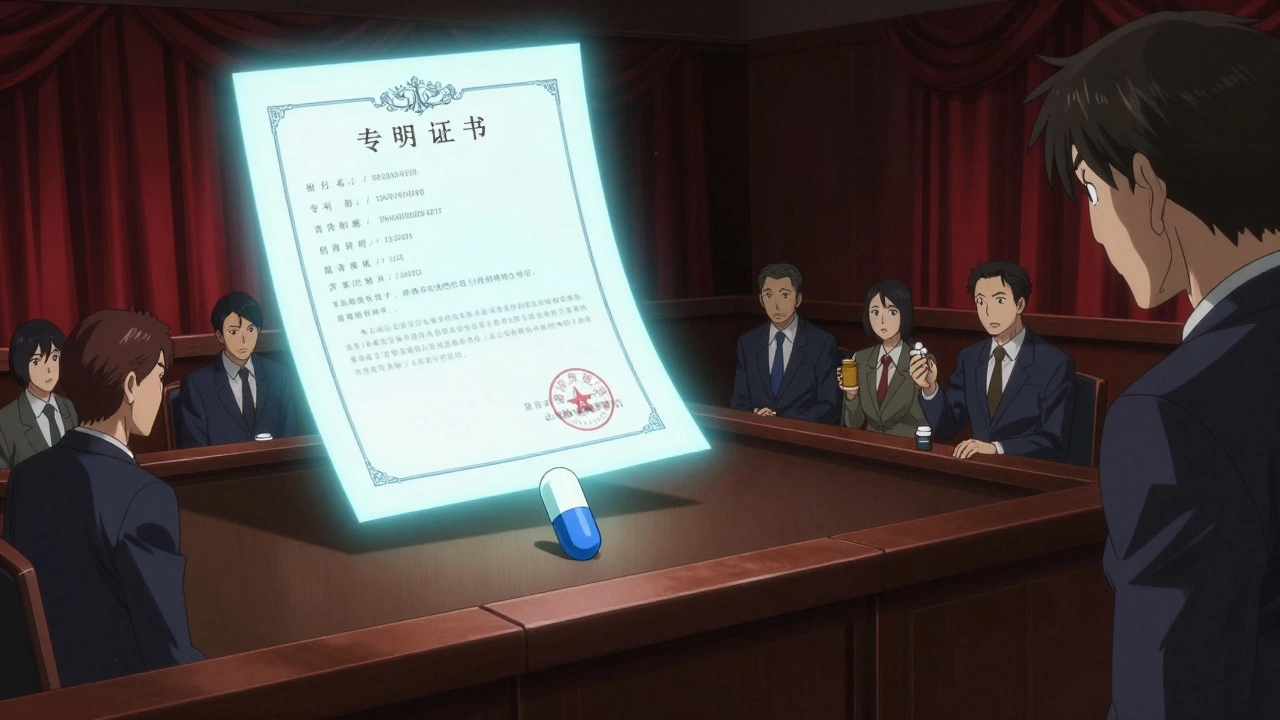
Litigation in Generic Markets: How Patent Disputes Delay Affordable Medicines
Patent litigation in generic drug markets is delaying affordable medicines, costing billions annually. Learn how the Hatch-Waxman Act, Orange Book listings, and pay-for-delay settlements are shaping access to generics.
learn more