Hatch-Waxman Act: How Generic Drugs Got Their Start and What It Means for You
When you pick up a generic pill at the pharmacy, you’re benefiting from a law passed in 1984 called the Hatch-Waxman Act, a U.S. law that created a legal pathway for generic drugs to enter the market without repeating costly clinical trials. Also known as the Drug Price Competition and Patent Term Restoration Act, it was designed to fix a broken system where brand-name drugs held monopolies for too long, and generics couldn’t get approved efficiently. Before this law, companies making generics had to prove safety and effectiveness from scratch—even if the original drug had already been proven safe for years. That made generics too expensive and slow to launch. The Hatch-Waxman Act changed that by letting generic makers rely on the brand-name drug’s existing data, as long as they showed their version was the same in active ingredient, strength, and how it works in the body.
This law didn’t just help generics—it also gave brand-name companies something back: extra patent time. If a drug’s patent was eaten up during the long FDA approval process, the Hatch-Waxman Act let the maker extend it by up to five years. That kept innovation alive while opening the door for competition. It’s why today, over 90% of prescriptions in the U.S. are filled with generics. But it’s not perfect. The law created loopholes some companies exploited—like filing dozens of minor patents to delay generics, a tactic called "evergreening." And while the Act made generics faster to approve, it didn’t fix pricing. Some generics still cost too much because only one or two companies make them, and the market doesn’t stay competitive.
That’s where you see the ripple effects in the posts below. You’ll find articles about pharmacist responsibilities, the legal rules pharmacists must follow when swapping brand drugs for generics, and how insurance benefit design, how health plans push patients toward cheaper generics to cut costs ties into this system. There’s also deep dives into FDA Orange Book, the official list of approved drug products with therapeutic equivalence evaluations—the tool pharmacists and regulators use to decide which generics can legally replace brand drugs. And you’ll see how all this affects real people: from those managing blood thinners to parents choosing cold meds for kids, the Hatch-Waxman Act quietly shapes what’s in your medicine cabinet and how much you pay for it.
What you’ll find here isn’t just history—it’s the living framework behind every generic you’ve ever taken. Whether you’re wondering why your prescription switched brands, why some generics cost more than others, or how patents block cheaper options, the answers start here. These posts break down the real-world impact of a law most people never hear about—but that saves billions every year.
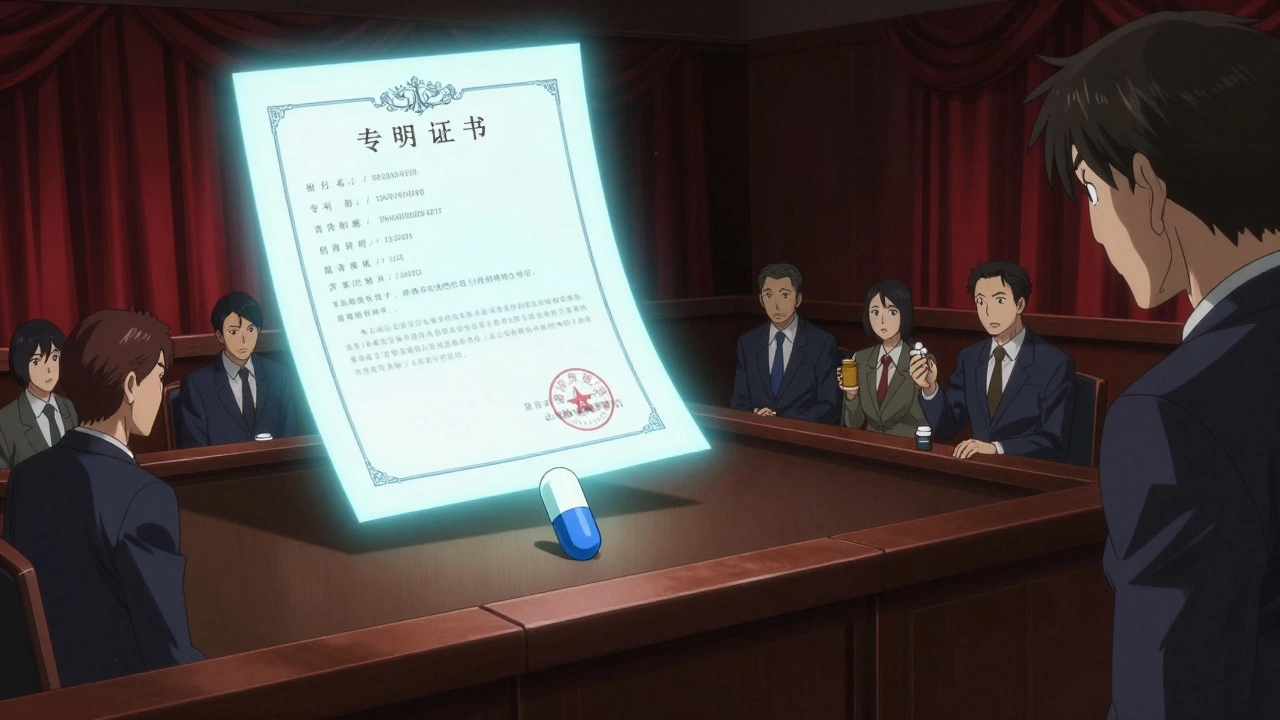
Litigation in Generic Markets: How Patent Disputes Delay Affordable Medicines
Patent litigation in generic drug markets is delaying affordable medicines, costing billions annually. Learn how the Hatch-Waxman Act, Orange Book listings, and pay-for-delay settlements are shaping access to generics.
learn more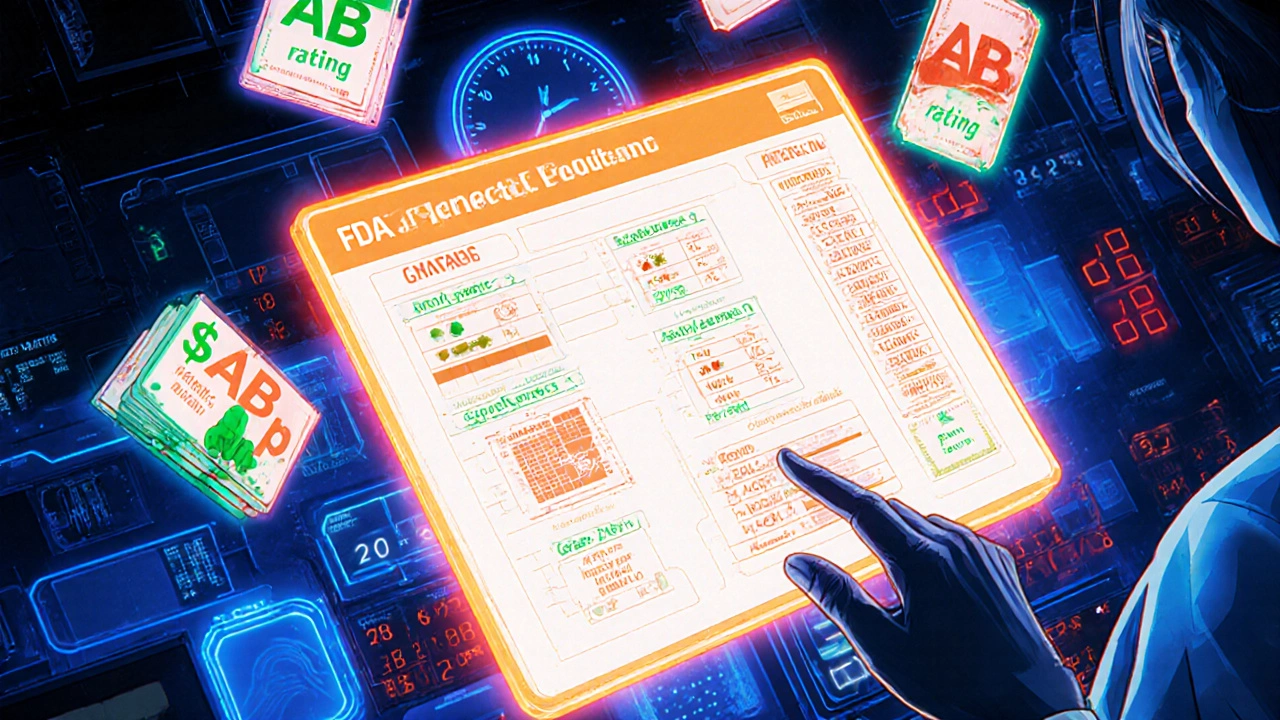
Orange Book Database: FDA's Approved Drug Products With Therapeutic Equivalence
The Orange Book is the FDA's official database of approved small-molecule drugs, therapeutic equivalence ratings, patents, and exclusivity periods. It's the key to understanding how generic drugs enter the market and save billions in healthcare costs.
learn more