Farxiga: What It Is, How It Works, and What You Need to Know Before Taking It
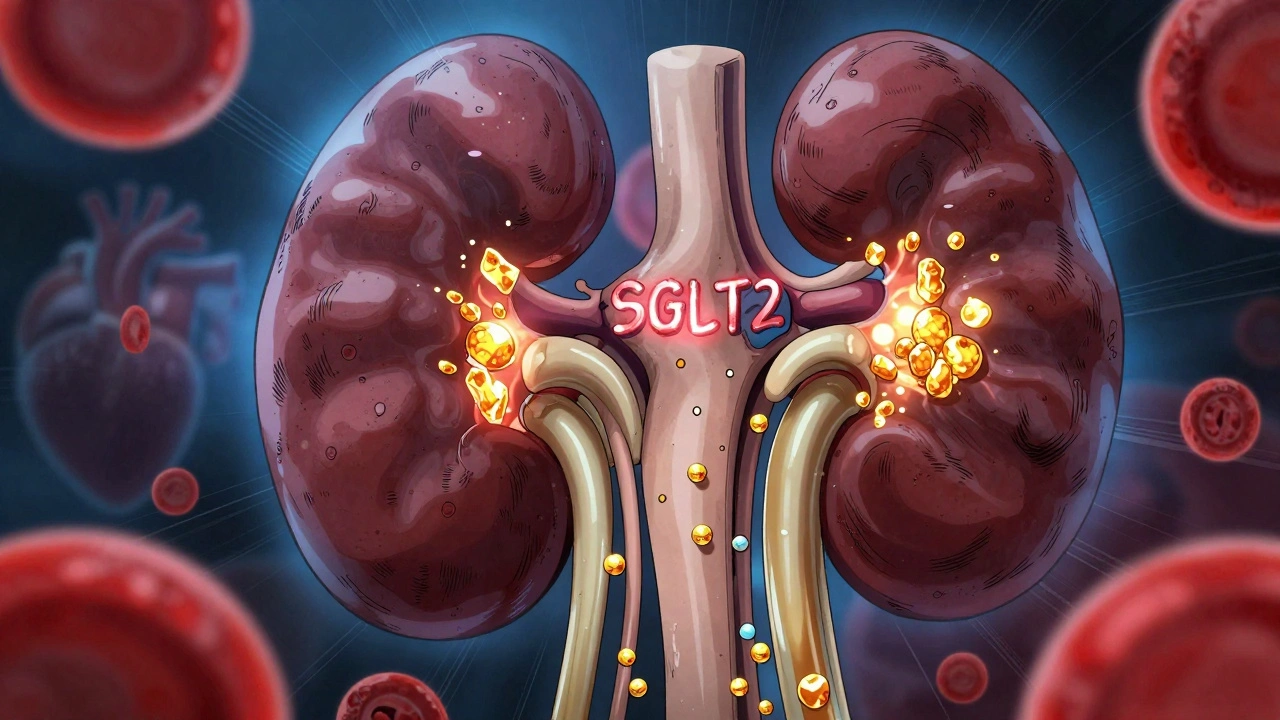
When you hear Farxiga, a brand-name medication containing dapagliflozin, used to treat type 2 diabetes and heart failure. Also known as dapagliflozin, it works by helping your kidneys flush out extra sugar through urine instead of letting it build up in your blood. This isn’t just another diabetes pill—it’s part of a newer class called SGLT2 inhibitors, which change how your body handles glucose. Unlike older drugs that force your pancreas to make more insulin, Farxiga lets your body do the work naturally, using your kidneys as a filter.
Farxiga is often prescribed when metformin alone isn’t enough, or when you also have heart failure or chronic kidney disease. It doesn’t just lower blood sugar—it’s been shown in studies to reduce the risk of hospitalization for heart failure and slow the progression of kidney damage. That’s why doctors now use it not just for diabetes, but as a protective tool for your heart and kidneys. But it’s not magic. You still need to watch your diet, stay hydrated, and check for signs of infection. Because when you’re peeing out more sugar, you’re also more prone to yeast infections, urinary tract issues, and dehydration if you don’t drink enough water.
People often ask if Farxiga causes weight loss. Yes, it can—because you’re losing calories through urine. Some patients drop 5 to 10 pounds in the first few months, not from starving themselves, but from their body naturally shedding sugar. That’s why it’s sometimes used off-label for weight management in people with insulin resistance. But don’t take it just for weight loss—it’s a prescription drug with real risks. If you’re on diuretics, have low blood pressure, or are older and prone to falls, your doctor needs to know. And if you’re planning surgery or have an illness that makes you dehydrated, you may need to pause it temporarily.
Farxiga doesn’t work the same for everyone. Some people feel great—better energy, stable sugar levels, fewer cravings. Others get side effects like frequent urination, dry mouth, or dizziness. It’s not a one-size-fits-all solution. What matters most is how your body responds over time. Your doctor will monitor your kidney function, electrolytes, and blood sugar to make sure it’s still safe for you. And if you’re taking other meds—like insulin or sulfonylureas—you need to be extra careful. Farxiga can make low blood sugar more likely when combined with those.
There’s also a growing conversation around generic versions. While Farxiga is still under patent in many places, dapagliflozin is starting to appear as a cheaper alternative. But not all generics are created equal. Some studies show minor differences in how quickly they’re absorbed, which can matter if you’re sensitive to blood sugar swings. Always talk to your pharmacist before switching.
What you’ll find in the posts below are real-world stories and science-backed facts about Farxiga and similar medications. You’ll see how it interacts with other drugs, what to do if you miss a dose, how it compares to other SGLT2 inhibitors like Jardiance, and why some people stop taking it. You’ll also learn about the risks of diabetic ketoacidosis—even when blood sugar isn’t high—and how to recognize the warning signs. This isn’t just a list of articles. It’s a practical guide for anyone trying to understand what Farxiga really does, and whether it’s the right fit for their health journey.
SGLT2 Inhibitors for Type 2 Diabetes: What You Need to Know About Benefits and Risks
SGLT2 inhibitors like Jardiance and Farxiga offer powerful heart and kidney protection for type 2 diabetes patients-but come with risks like yeast infections, ketoacidosis, and kidney stress. Know who benefits most and what to watch for.
learn more