C. diff treatment: What works, what doesn't, and what you need to know
When Clostridioides difficile, a bacteria that causes severe diarrhea and colitis, often after antibiotic use. Also known as C. diff, it's not just a hospital problem—it’s rising in communities too. C. diff treatment has changed a lot in the last decade. It’s no longer just about hitting it with the strongest antibiotic. Too many people get it again after treatment, and that’s where things get tricky.
Most cases start after antibiotics wipe out good gut bacteria, letting C. diff take over. The two main drugs used are vancomycin, an oral antibiotic that stays in the gut and targets C. diff without wrecking the rest of the microbiome and fidaxomicin, a newer, more targeted option that kills C. diff but leaves more good bacteria alive. Studies show fidaxomicin cuts recurrence rates by nearly half compared to vancomycin—but it’s pricier. For mild cases, doctors sometimes skip antibiotics entirely and just watch. For recurrent cases, fecal transplants have become a game-changer, with success rates over 90% in some trials.
What doesn’t work? Probiotics alone. Some people think yogurt or supplements will fix it, but the science doesn’t back that up for active infection. And don’t use loperamide (Imodium) to stop the diarrhea—it traps the toxin in your gut and can make things worse. The real key is stopping the antibiotic that started it, if possible, and choosing the right follow-up treatment. If you’ve had C. diff once, you’re at higher risk for another. That’s why doctors now talk about prevention as much as treatment.
You’ll find posts here that dig into how generics compare in effectiveness, what the FDA says about drug safety for these treatments, and how patient decision aids help people choose between options like vancomycin, fidaxomicin, or newer therapies. There’s also real data on how drug manufacturing quality affects outcomes, and why some patients end up with the same infection again—even after treatment. This isn’t just about pills. It’s about your gut, your history, and what actually works when standard options fail.
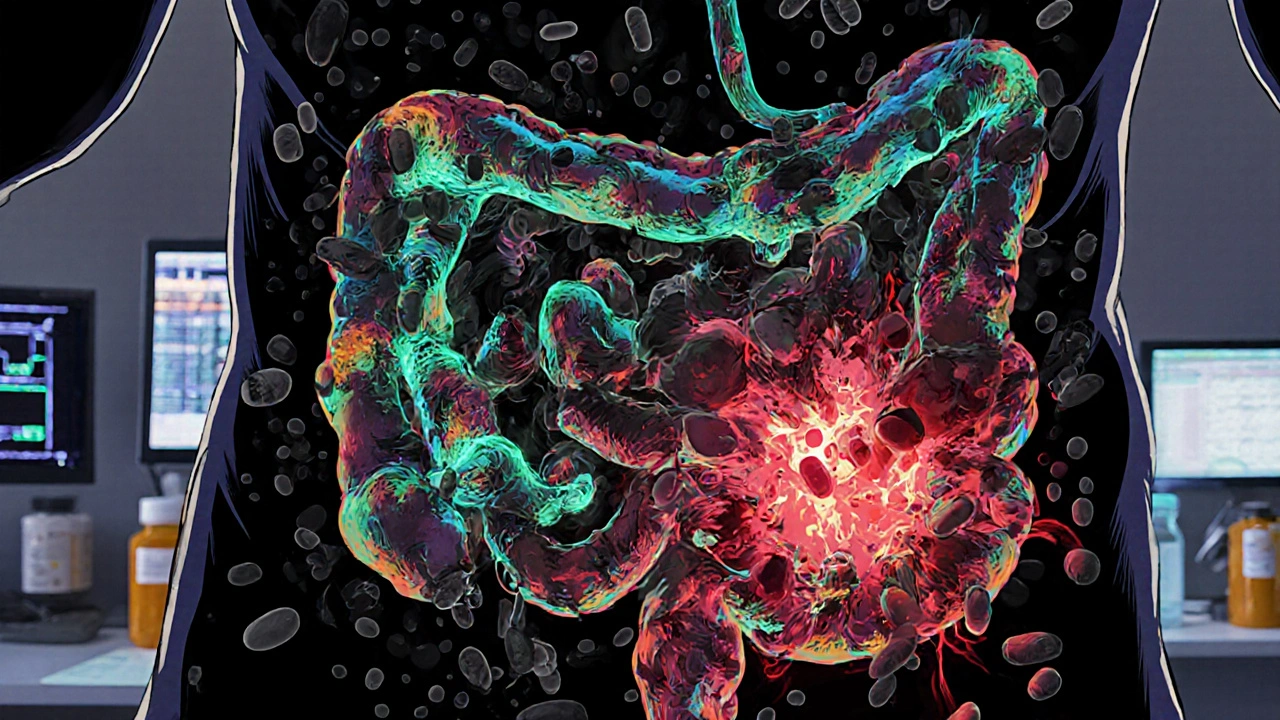
Clostridioides difficile: Understanding Antibiotic-Associated Diarrhea and How to Prevent It
Clostridioides difficile (C. diff) is the leading cause of antibiotic-associated diarrhea, causing severe colitis and recurring infections. Learn how antibiotics trigger it, how it's diagnosed and treated today, and the proven ways to prevent it.
learn more