Travel Medications: What to Pack and Why It Matters
When you're heading abroad, travel medications, prescription and over-the-counter drugs you carry for health needs while away from home. Also known as travel health essentials, they're not optional—they're your first line of defense against illness, injury, or sudden flare-ups of chronic conditions. Missing your regular meds or showing up without the right OTC supplies can turn a trip into a medical emergency. Whether you're managing diabetes, high blood pressure, or just want to avoid stomach bugs, what’s in your suitcase can make or break your journey.
Many travelers don’t realize that prescription drugs for travel, medications legally prescribed for personal use during international trips can face strict rules overseas. Some countries ban common U.S. or EU drugs—like certain painkillers, sleep aids, or even pseudoephedrine in cold medicine. Always check the destination’s health authority guidelines before you go. And never rely on buying replacements abroad; formulations vary, and counterfeit drugs are a real risk. Keep your meds in original bottles with clear labels and carry a copy of your prescription. If you use insulin, blood thinners, or anticonvulsants, bring extra—enough for delays or lost luggage.
over-the-counter travel meds, non-prescription drugs like antidiarrheals, antihistamines, and pain relievers commonly packed for trips are just as critical. Diarrhea is the #1 illness among travelers. Loperamide (Imodium) can save your trip. Antihistamines like cetirizine help with allergies or bug bites. Acetaminophen works for fever or headaches without the bleeding risks of NSAIDs—especially important if you’re on blood thinners like rivaroxaban or warfarin. Don’t forget sunscreen, electrolyte packets, and motion sickness pills. These aren’t luxuries; they’re practical tools that keep you moving.
And don’t overlook medication safety abroad, the practices that prevent harm from drug interactions, storage issues, or mislabeling while traveling. Heat, humidity, and time zone changes can affect how your meds work. Store insulin in a cooler, keep pills dry, and never leave them in a hot car. Know your drug interactions—turmeric, kava, or even St. John’s Wort can interfere with blood thinners or antidepressants. If you’re on multiple meds, carry a simple list: drug name, dose, reason, and your doctor’s contact. It’s not just smart—it could save your life in an emergency room halfway around the world.
What you’ll find below are real, practical guides on what to pack, what to skip, and how to handle common health issues while traveling. From managing chronic conditions overseas to safely using OTC remedies for jet lag, nausea, or sunburn, these posts cut through the noise. No fluff. Just what works—based on real cases, FDA guidelines, and what pharmacists actually recommend. Whether you’re flying for business, visiting family, or chasing adventure, this collection gives you the tools to stay healthy on the road.
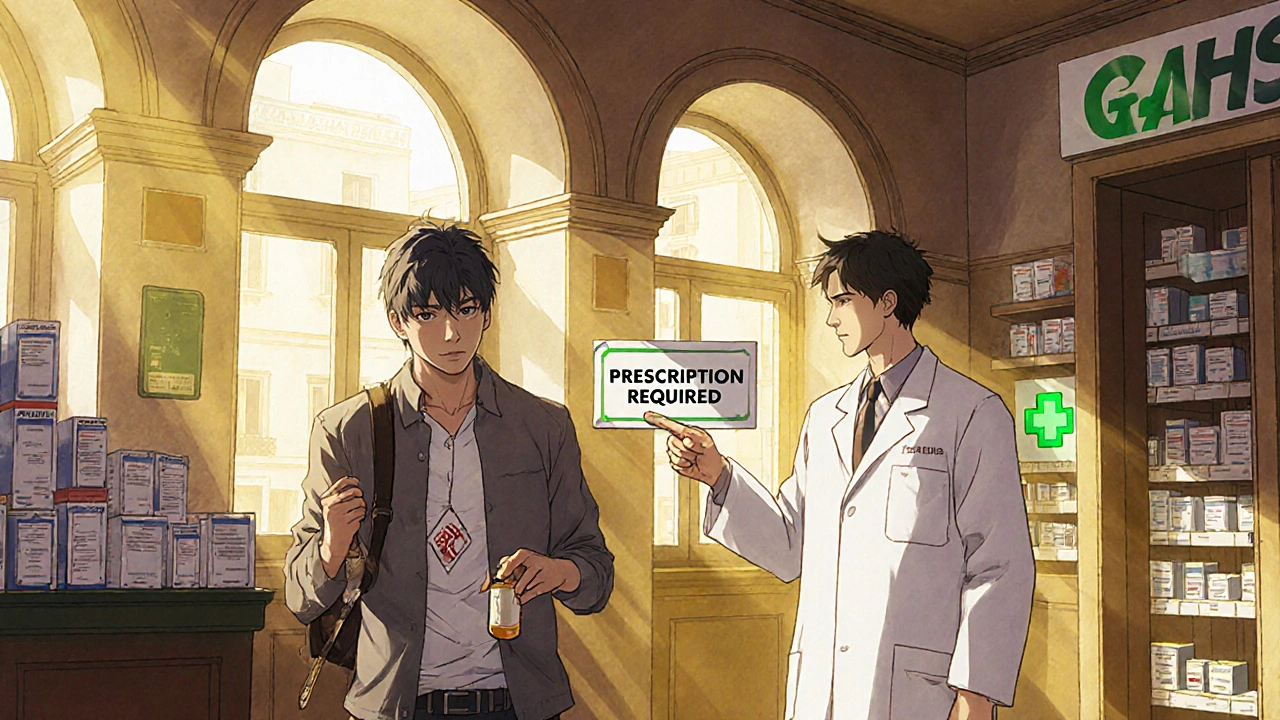
Finding Pharmacies and Medication Help Abroad: A Traveler’s Guide
Learn how to find pharmacies and get medication abroad safely. Avoid scams, navigate foreign rules, handle time zones, and prepare for emergencies with this practical guide for travelers.
learn more