Generic Production: What It Means, How It’s Regulated, and Why It Matters
When you hear generic production, the process of making drug versions that are identical in active ingredient, strength, and performance to brand-name medicines. Also known as generic drug manufacturing, it’s what keeps prescriptions affordable for millions. This isn’t just copying pills—it’s a tightly controlled science. Every generic must prove it delivers the same amount of medicine into your bloodstream at the same rate as the original. That’s called bioequivalence, the scientific standard proving a generic performs the same as its brand-name counterpart. Without it, you could get too little or too much of the drug—both dangerous.
FDA approval, the rigorous review process that ensures all drugs, brand and generic, meet strict safety and quality standards. isn’t a rubber stamp. The FDA inspects factories worldwide—yes, even overseas—before a single pill is shipped. They check for cleanliness, accuracy in dosing, and stable packaging. manufacturing oversight, the continuous monitoring of production facilities to ensure consistent quality and compliance with current good manufacturing practices. doesn’t stop after approval. Random audits, lab tests, and adverse event reports keep the system honest. If a batch fails, it’s pulled. No exceptions.
Some people worry generics are cheaper because they’re lower quality. That’s not true. The same active ingredient, same dosage, same side effects. The only differences? The color, shape, or inactive fillers—none of which affect how the drug works. What changes is the price. Generic production cuts costs by skipping expensive marketing and clinical trials already done by the brand. That savings goes straight to you.
But not all generics are created equal in practice. For drugs with a narrow therapeutic index—like warfarin or phenytoin—tiny changes in blood levels can matter. That’s why doctors sometimes prefer you stick with one brand or generic. Pharmacists have rules too. In the U.S., they must follow state laws on substitution, and they’re required to document every switch. The Orange Book, the FDA’s official list of approved drug products and their therapeutic equivalence ratings. is the bible they use to decide which generics can be swapped.
Behind every pill you take is a chain of testing, inspection, and regulation. From stability studies that track how long a drug lasts on the shelf to audits that verify every step of production, generic production is far from simple. It’s a system built to protect you—not just save money. And when it works right, you get the same results at a fraction of the cost.
Below, you’ll find real-world insights into how generics are made, monitored, and used—from legal rules for pharmacists to what happens when a batch goes wrong. These aren’t theory pieces. They’re stories from labs, clinics, and patient experiences that show exactly how generic production affects your health.
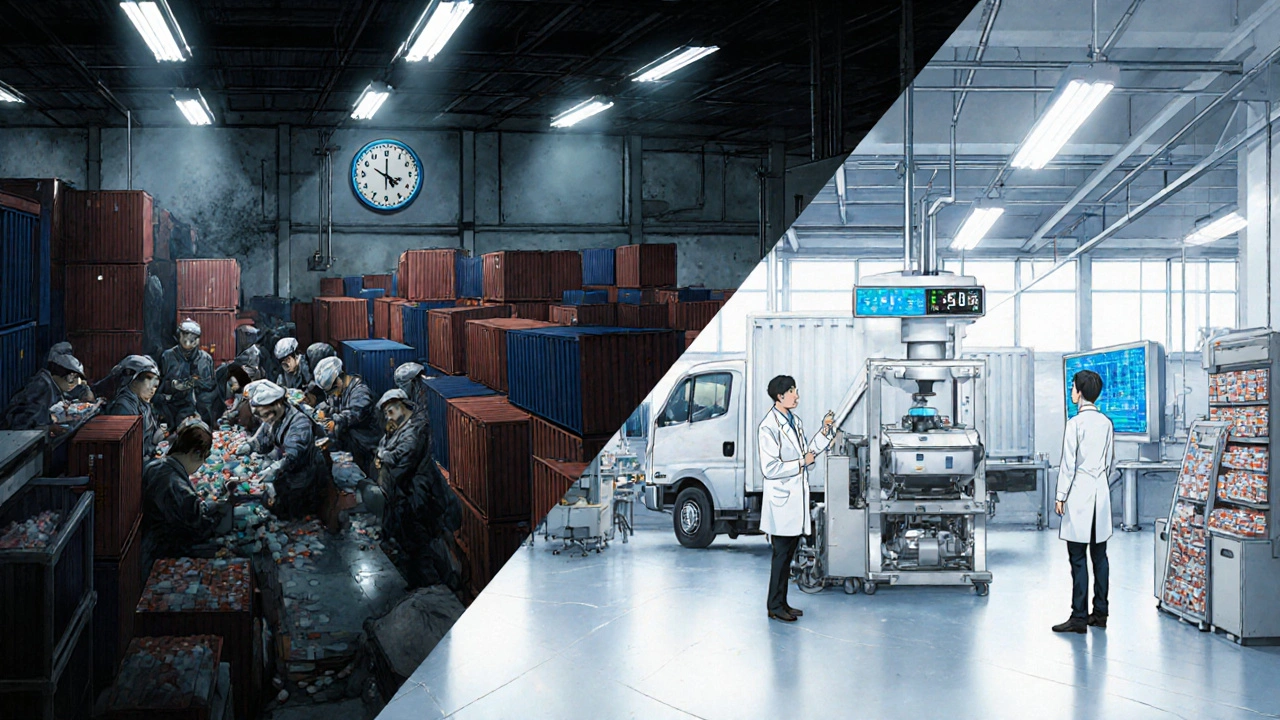
How to Evaluate Overseas vs. Domestic Generic Manufacturing
Choosing between overseas and domestic generic manufacturing involves more than cost. Learn how lead times, quality control, tariffs, and IP risks shape the best decision for your product and business.
learn more