Arrhythmia Warning Signs: What You Need to Recognize and Do
When your heart skips, races, or flutters out of rhythm, it’s not just a weird sensation—it could be a arrhythmia, an abnormal heart rhythm that can range from harmless to life-threatening. Also known as heart rhythm disorder, it’s not something you should ignore, especially if it comes with other symptoms like fainting, shortness of breath, or chest pain. Many people brush off these signs as stress or caffeine, but arrhythmias can quietly lead to stroke, heart failure, or sudden cardiac arrest if left unchecked.
One of the most dangerous types is QT prolongation, a condition where the heart takes too long to recharge between beats, increasing the risk of a deadly rhythm called torsades de pointes. This isn’t just genetic—it can be triggered by common medications like certain antibiotics, antipsychotics, or even herbal supplements like kava or turmeric, which you might not realize affect your heart. If you’re on blood thinners like rivaroxaban or taking drugs for anxiety or depression, you could be at higher risk without knowing it. The same goes for people with high cholesterol or those managing chronic conditions—your meds might be interacting in ways your doctor hasn’t flagged.
Common warning signs aren’t always dramatic. You might feel your heart pounding while sitting still, get dizzy when standing up, or suddenly feel out of breath during a walk. Some people describe it like a fish flopping in their chest. Others feel a pause, then a hard thump. These aren’t normal. And if you’ve ever passed out for no reason, that’s a red flag—especially if you’re over 40 or have a family history of heart problems. Medical alert bracelets aren’t just for drug allergies; they’re critical for people with known arrhythmias, so emergency responders know what’s happening before you can speak.
The posts below cover real cases and practical advice—from how certain drugs like trazodone or antipsychotics can trigger irregular rhythms, to why mixing supplements with prescription meds can be dangerous. You’ll find guides on recognizing subtle symptoms, understanding drug interactions that affect heart rhythm, and what steps to take if you’re already on medications that carry cardiac risks. This isn’t theory—it’s what people actually experience, and what doctors recommend when time matters.
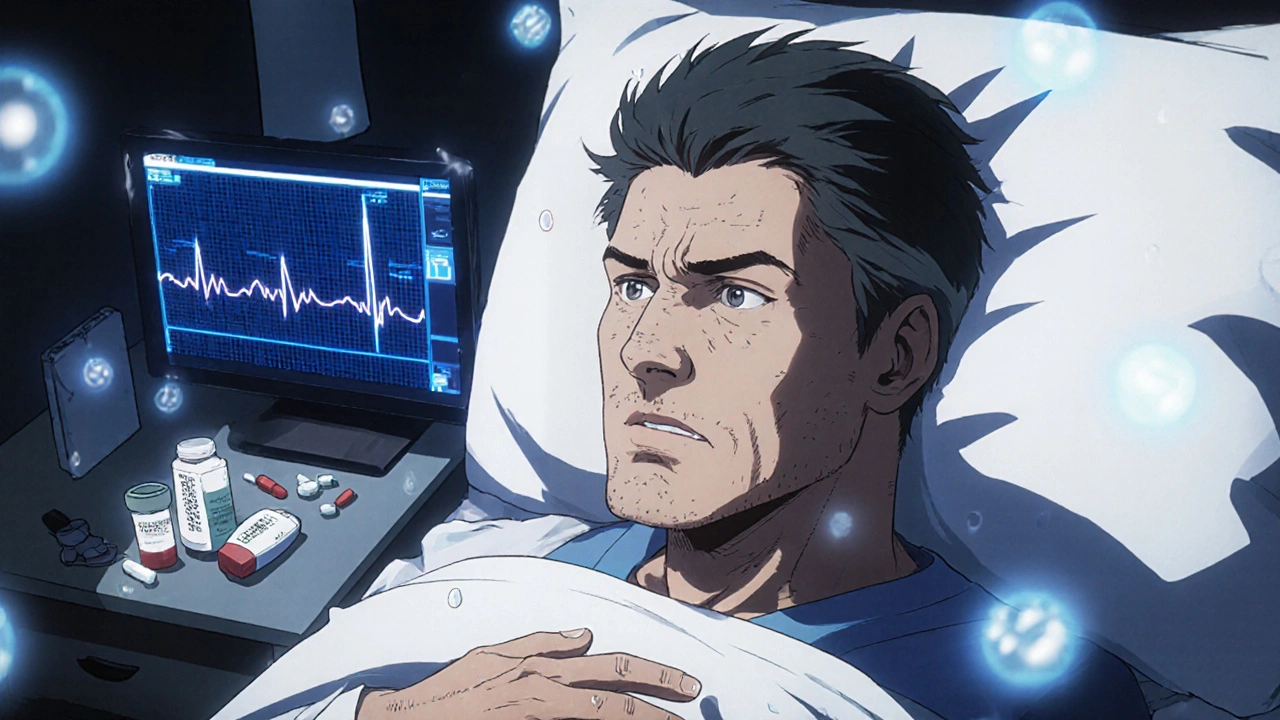
Heart Arrhythmias from Medications: Warning Signs and How to Manage Them
Over 400 common medications can trigger dangerous heart rhythm problems. Learn the warning signs - like palpitations, dizziness, and fainting - and how to manage drug-induced arrhythmias safely before they become life-threatening.
learn more