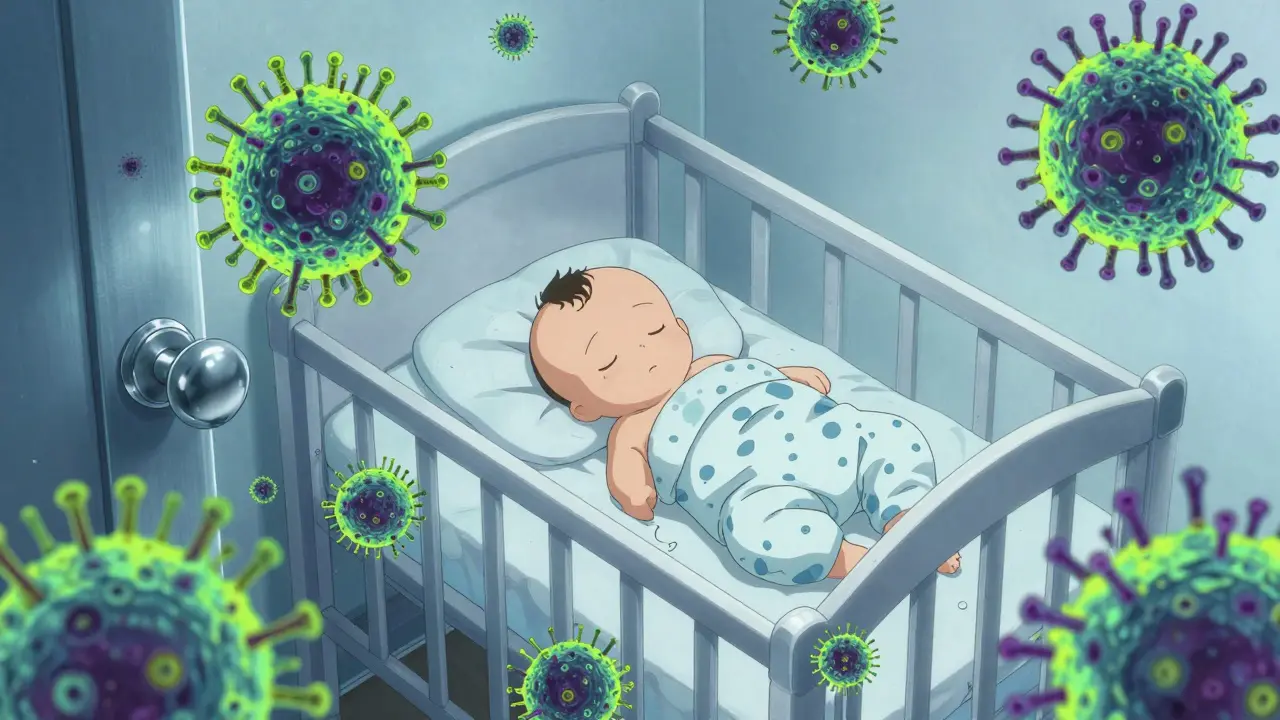
Most of us have had a nasty cold that just wouldn't go away, but for some, a simple sniffle is the start of something much more serious. RSV Infections is a common respiratory illness caused by the respiratory syncytial virus, which attacks the lining of the lungs and nasal passages. While it often feels like a mild cold for healthy adults, it can be a nightmare for newborns and the elderly. If you've ever wondered why doctors get so cautious about "the winter bug" in nurseries or nursing homes, this is exactly why.
Quick Summary of RSV Risks
- Infants: Leading cause of bronchiolitis and pneumonia in babies under 1 year.
- Seniors: High risk of hospitalization for those 65+ with heart or lung issues.
- Transmission: Spreads through droplets and contaminated surfaces (survives nearly 10 hours on steel).
- Prevention: New monoclonal antibodies for babies and vaccines for older adults are now available.
What Exactly is RSV and How Does it Spread?
RSV is an RNA virus that likes to set up shop in the respiratory tract, from your nose all the way down to your lungs. It's incredibly common-so common that most children have had it by the time they start school. Typically, the virus peaks between December and January, making it a staple of the winter season in temperate climates.
The way it moves from person to person is pretty aggressive. About 65% of transmissions happen through respiratory droplets-think coughs and sneezes. But it's not just about being in the same room. You can pick it up by kissing an infected child or touching a doorknob. In fact, the virus is surprisingly hardy; laboratory tests show it can live on non-porous surfaces for 4 to 7 hours, and it can cling to stainless steel for nearly 10 hours. Most people stay contagious for about 3 to 8 days, but infants and people with weakened immune systems might shed the virus for up to a month.
The Danger Zone for Infants and Toddlers
For a healthy adult, RSV might be a week of congestion. For a baby, it can be a fight for every breath. Bronchiolitis is the inflammation of the small airways in the lungs, and RSV is the primary cause of this in infants. When those tiny tubes swell and fill with mucus, it's incredibly hard for a baby to move air.
Some babies are at much higher risk than others. If a child was born before 29 weeks' gestation, their risk of hospitalization jumps by 3 to 5 times. Those born with congenital heart disease face a staggering 20 to 25 times higher risk of severe complications. It's a heavy burden-globally, RSV causes around 100,000 deaths in children under 5 every year, with the vast majority occurring in regions where oxygen and ventilators are scarce.
How do you know if it's just a cold or something worse? Watch for these red flags:
- Rapid Breathing: More than 60 breaths per minute.
- Chest Retractions: You can see the skin pulling inward around the ribs or neck when they breathe.
- Feeding Struggles: Taking in less than half of their usual milk or formula.
- Lethargy: Unusual sleepiness or a lack of responsiveness.
Why Older Adults are Vulnerable
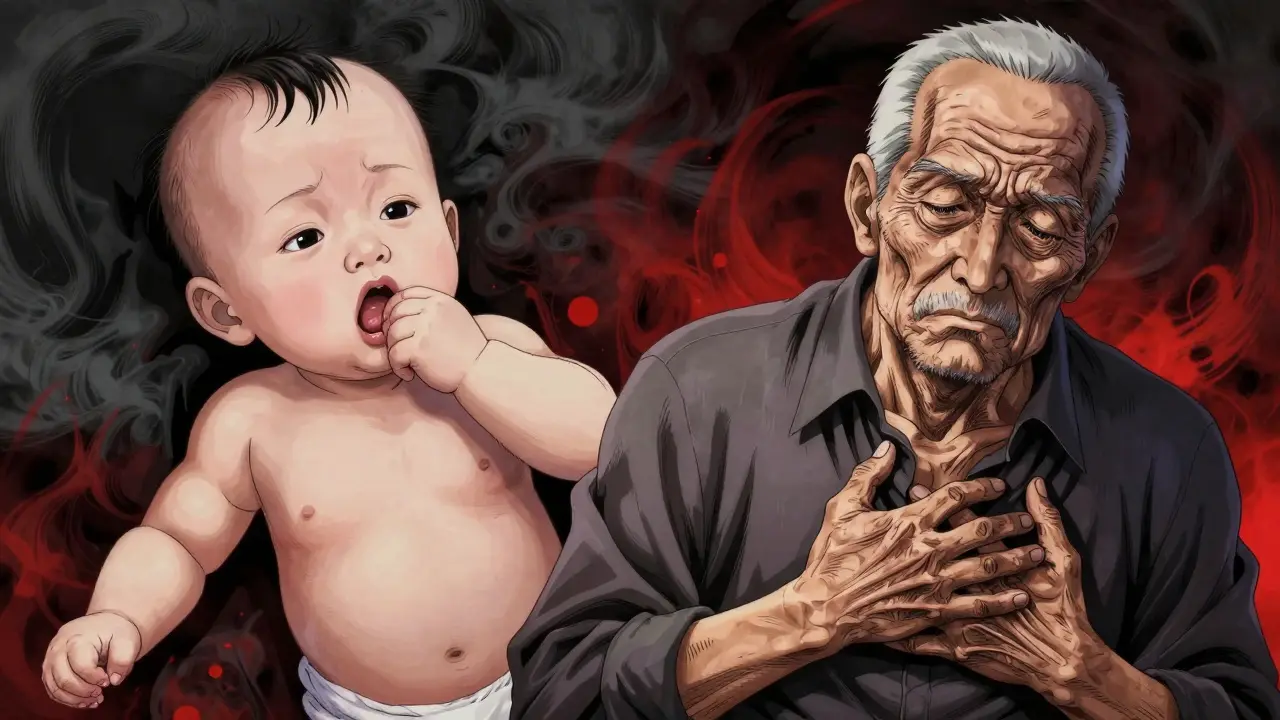
We often talk about RSV as a "baby disease," but it's just as dangerous for seniors. As we age, our immune systems undergo a process called senescence, meaning they don't fight off new threats as effectively. For adults 65 and older, RSV can lead to severe pneumonia or trigger a crisis in an already struggling heart.
The numbers are sobering. Adults with COPD (Chronic Obstructive Pulmonary Disease) are over 4 times more likely to be hospitalized when they catch RSV. Those with congestive heart failure are nearly 3 times more likely to end up in a hospital bed. For those over 75, the stakes are even higher: they tend to stay in the hospital twice as long and have significantly higher mortality rates compared to younger adults.
The real danger here is the "domino effect." About 78% of hospitalized seniors experience a worsening of their existing heart or lung conditions because the RSV infection puts so much stress on the body. This often leads to a loss of independence; nearly 42% of seniors who are hospitalized for RSV struggle with basic tasks like dressing or bathing a month after they go home.
Modern Prevention: Vaccines and Antibodies
For years, we didn't have a lot of tools to stop RSV-mostly just supportive care like fluids and oxygen. That changed recently with some massive breakthroughs in biotechnology.
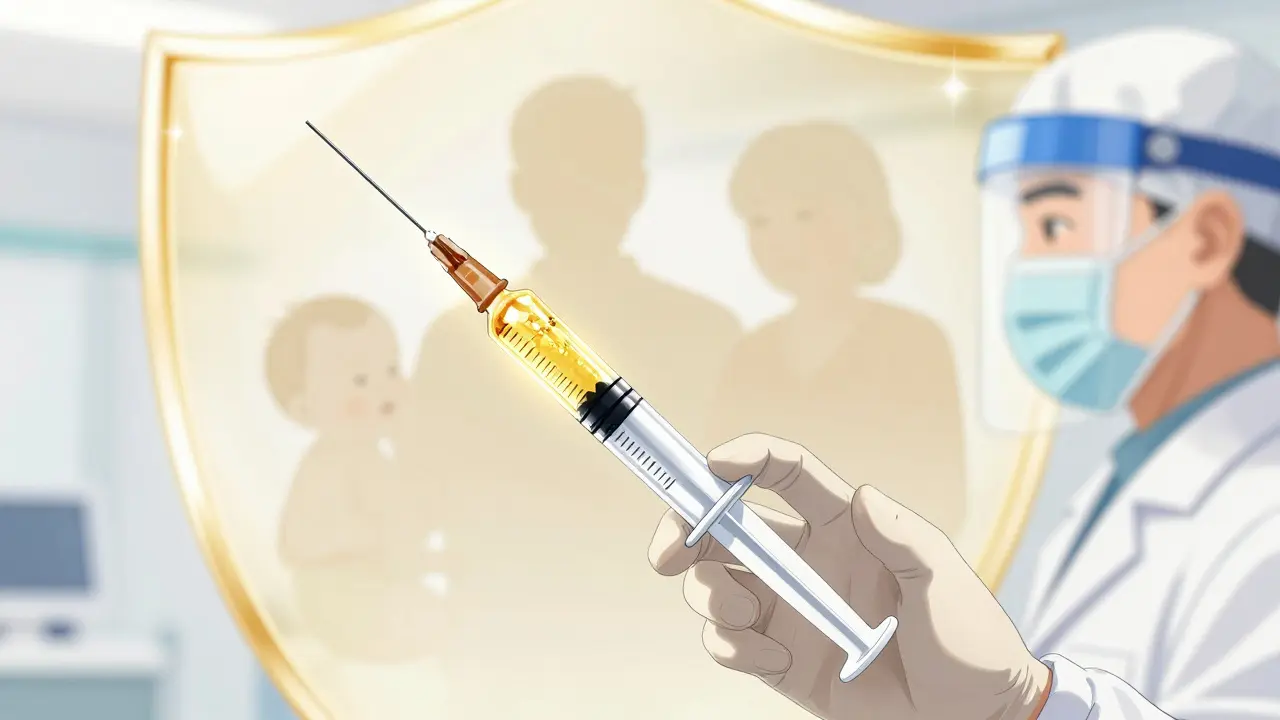
For infants, we now have Nirsevimab, a long-acting monoclonal antibody. Unlike a traditional vaccine that teaches your body to make antibodies, this gives the baby a "ready-made" shield. A single dose can provide about 75% protection against severe lower respiratory infections for five months. There's also maternal vaccination, where the mother receives a shot during pregnancy to pass antibodies to the fetus, protecting the baby from birth.
For the 60+ crowd, we finally have dedicated vaccines. GSK's Arexvy and Pfizer's Abrysvo have both shown strong efficacy in preventing severe lung disease. While they aren't 100% foolproof, they significantly slash the risk of ending up in the ICU.
| Prevention Tool | Target Audience | Mechanism | Key Benefit |
|---|---|---|---|
| Nirsevimab (Beyfortus) | Infants < 8 months | Monoclonal Antibody | ~75% protection from severe LRTIs |
| Arexvy | Adults 60+ | Vaccine | 82.6% efficacy vs lower respiratory disease |
| Abrysvo | Adults 60+ / Mothers | Vaccine | Prevents severe disease in seniors/infants |
| Hand Hygiene | Everyone | Physical Removal | Reduces transmission by 35-50% |
Practical Steps to Protect Your Home
Medical interventions are great, but the basics still matter. Because RSV lives so long on surfaces, a few habits can make a huge difference, especially if you have a newborn or an elderly parent living with you.
- The 20-Second Scrub: Wash your hands with soap for at least 20 seconds. It sounds basic, but it's the most effective way to cut transmission risk.
- Sanitize High-Touch Zones: Focus on doorknobs, light switches, and phone screens. Use disinfectants that are specifically rated for viruses.
- The "No Kissing" Rule: It's hard to tell people not to kiss a cute baby, but avoiding direct contact with an infected child's face can prevent a significant number of cases.
- Air Flow: Open windows when possible to keep air moving, reducing the concentration of droplets in a room.
The Long-Term Fallout of Severe RSV
The impact of a severe RSV infection doesn't always end when the fever breaks. For children, the aftermath can last for years. Kids who are hospitalized for bronchiolitis before age 2 are over 4 times more likely to experience recurrent wheezing and more than 3 times more likely to be diagnosed with asthma by age 7. In some cases, these children show a permanent 8-12% drop in lung function that lasts into their teenage years.
In older adults, the fallout is often functional. A severe bout of RSV can act as a catalyst for a rapid decline in health. Many seniors find that the strength they had before the infection never quite returns, leading to a higher need for assisted living or post-acute care placement compared to those who had other types of respiratory infections.
How do RSV symptoms differ from a common cold?
In mild cases, they look identical: runny nose, sore throat, and a light cough. However, RSV is more likely to move into the lower respiratory tract. If you notice wheezing, shortness of breath, or a deep, hacking cough that makes it hard to breathe, it's more likely to be RSV or another lower respiratory infection rather than a simple head cold.
Can a healthy adult get RSV?
Yes, almost everyone does at some point. Most healthy adults experience it as a mild upper respiratory infection. However, adults can act as carriers, bringing the virus home from the community and passing it to high-risk infants or seniors.
Is the RSV vaccine recommended for everyone over 60?
Current guidelines suggest a "shared clinical decision-making" approach. This means you should talk to your doctor about your specific risk factors-like whether you have asthma, COPD, or heart disease-to decide if the vaccine is the right move for you.
How long is a baby contagious with RSV?
While most people are contagious for 3 to 8 days, infants and people with compromised immune systems can shed the virus for up to 4 weeks. This is why it's important to keep sick infants away from other high-risk children for an extended period.
What is the difference between a vaccine and a monoclonal antibody like Nirsevimab?
A vaccine trains your own immune system to create antibodies for future protection. A monoclonal antibody, like Nirsevimab, is a lab-made version of an antibody that provides immediate, "passive" protection. It's used in infants because their immune systems are too immature to respond effectively to traditional vaccines.
Next Steps for Your Family
If you're expecting a baby or caring for an elderly relative, don't wait for the winter peak to start planning. For parents, check with your pediatrician about nirsevimab or maternal vaccination options before the baby's first RSV season begins. For those caring for seniors, review their medical history for COPD or heart failure and schedule a conversation with their primary care provider about the new RSV vaccines.
If you suspect a child is struggling to breathe, don't wait for a scheduled appointment. Look for the chest retractions and rapid breathing mentioned above-these are medical emergencies that require immediate attention at an urgent care center or emergency room.
Del Bourne
April 6, 2026 AT 07:04The part about the virus surviving on stainless steel for 10 hours is a huge wake-up call. I've always been diligent about hand washing, but I rarely think about the door handles or the fridge door when I have a sick toddler in the house. It really emphasizes why we need to be so thorough with disinfecting high-touch surfaces during the winter months.
Nathan Kreider
April 7, 2026 AT 03:50Stay positive, parents! It's scary but we have so many more tools now.
Victoria Gregory
April 8, 2026 AT 19:50Omg yes!!! 💖 The 'no kissing' rule is so hard because everyone wants to smush their face into a baby's cheeks, but it's just not worth the risk!!! 😭✨ I always tell people to just wave from a distance!!! 🖐️🌈
GOPESH KUMAR
April 10, 2026 AT 02:16Typical medical overview that glosses over the socio-economic reality of healthcare access. You mention that deaths occur where oxygen is scarce, but you fail to address why the infrastructure remains primitive in those regions. It's a systemic failure, not just a viral one. The obsession with new pharmaceutical shields like monoclonal antibodies is just another way to prioritize profit over basic healthcare accessibility for the global poor.
Benjamin cusden
April 11, 2026 AT 21:12It is quaint that some people still struggle to differentiate between a vaccine and a monoclonal antibody. The distinction is fundamental immunology. One is active immunity and the other is passive. If you've read any basic biological literature, this is elementary, yet the public continues to treat them as interchangeable concepts.
Danielle Kelley
April 12, 2026 AT 02:25Don't trust these "ready-made shields"!!! They just want to pump our newborns full of lab-made chemicals before they even have a chance to develop their own natural immunity. Wake up people, these "breakthroughs" are just a way for big pharma to lock in a customer for life from day one!!! They'll tell you it's for protection but it's all about the money!!!
Rauf Ronald
April 13, 2026 AT 05:04Absolutely spot on with the red flags! I've seen too many parents wait until the very last second to take their kids in. If you see those chest retractions, get moving. Seriously. Don't wait for a callback from the pediatrician. Just go to the ER. It's better to be told it's just a cold than to wait until the baby is truly struggling for air.
Vivek Hattangadi
April 13, 2026 AT 13:37I totally agree with the focus on seniors too. We always talk about the babies, but my grandfather had a terrible time with a respiratory bug last year and it took him months to get his strength back. It's a real tragedy how one infection can just wipe out a senior's independence in a matter of weeks. Let's definitely encourage our elders to talk to their doctors about those vaccines.
Kathleen Painter
April 15, 2026 AT 02:22I think it's really important to hold space for the long-term psychological impact on the parents as well, because watching your child struggle for breath is a trauma that doesn't just disappear once the physical symptoms are gone. We often focus on the lung function drop-which is devastating, by the way, especially that 8-12% loss-but the anxiety of every subsequent winter cold can be paralyzing for a mother or father. It's a holistic struggle where the medical intervention is just one piece of the puzzle, and we need to ensure that we're providing emotional support for the caregivers who are essentially living in a state of high alert for years after the initial hospitalization. It's an invisible burden that often goes unmentioned in these clinical summaries, yet it defines the family dynamic for a long time.
Christopher Cooper
April 15, 2026 AT 09:19The mention of airflow and opening windows is such a simple yet effective tip. I wonder if HEPA filters make a significant dent in reducing the concentration of these droplets indoors? It seems like a logical step for anyone with high-risk family members during the peak months of December and January.
Laurie Iten
April 16, 2026 AT 00:59interesting how we focus so much on the biological shield but forget the basic human element of isolation and how that affects the elderly who might be avoiding visitors just to stay safe
Ruth Swansburg
April 17, 2026 AT 18:39Please prioritize your health. Act now.
Alexander Idle
April 18, 2026 AT 09:59Honestly, this whole situation is just a nightmare. The stress of managing this for a newborn is practically an Olympic sport at this point. I'm absolutely exhausted just reading about the precautions. Who has time to scrub every single doorknob for twenty seconds every hour? It's absolutely absurd!
Sarabjeet Singh
April 18, 2026 AT 23:51Keeping it simple. Wash hands. Keep distance. Get the shot if the doc says so. Let's just keep our families safe this season.
charles mcbride
April 19, 2026 AT 05:11I truly believe that with these new medical advancements, we are looking at a future where these winter spikes are a thing of the past. It's quite heartening to see the efficacy rates for the seniors' vaccines. Keep the faith everyone.