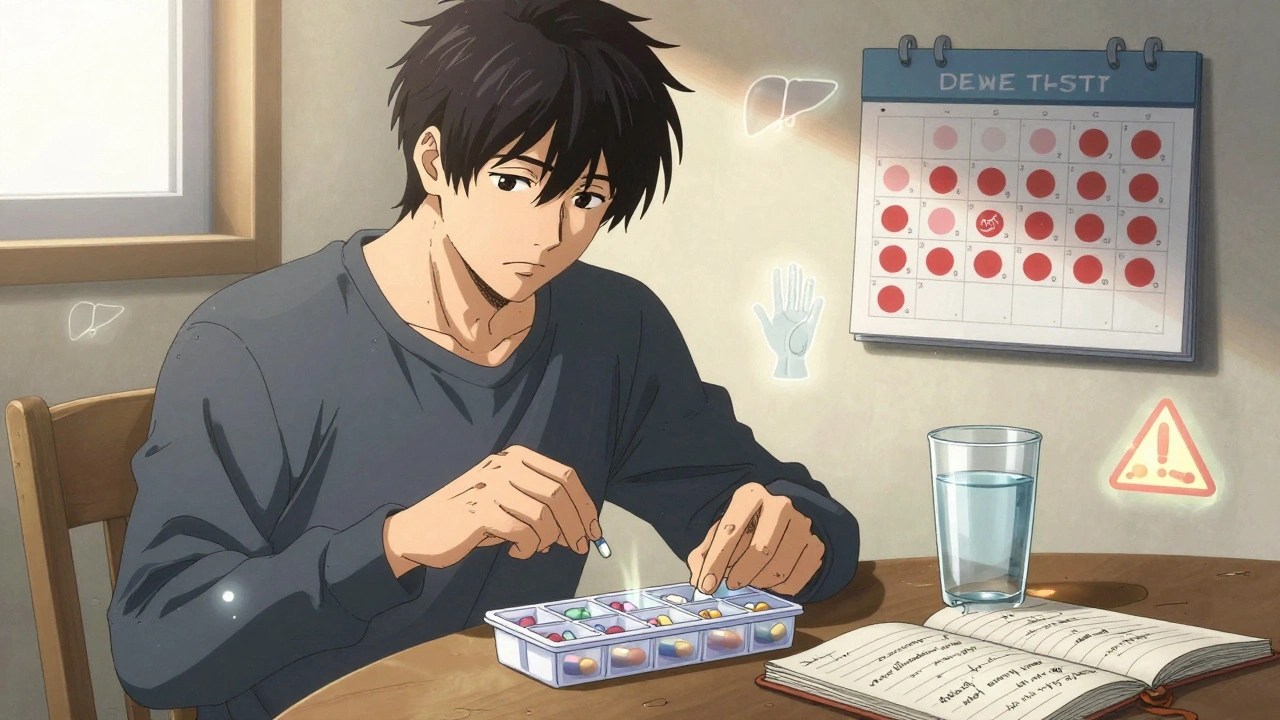
Oral chemotherapy is changing how cancer is treated. Instead of sitting in a clinic for hours getting IV drugs, patients now swallow pills or liquids at home. It sounds simpler, even better. But this convenience comes with hidden risks. Many people don’t realize that taking chemotherapy by mouth puts the full responsibility on them - and mistakes can be dangerous. This isn’t just about remembering to take your pills. It’s about understanding how to store them, what foods to avoid, which medicines can clash with them, and how to handle side effects before they spiral out of control.
Why Oral Chemotherapy Is Becoming the Norm
Since 2001, when imatinib (Gleevec) was approved for chronic myeloid leukemia, oral chemotherapy has grown rapidly. Between 2010 and 2020, 35% of all new cancer drugs came in pill form. By 2023, over half of newly approved cancer treatments were oral. That’s not a trend - it’s a shift. The reason? Convenience. Patients save an average of 3.7 hours per treatment cycle by skipping clinic visits. For someone already exhausted from cancer, that time matters. But this shift also means patients are now managing powerful drugs without direct medical supervision.
Oral chemo works the same way as IV chemo - it kills fast-growing cancer cells. But the drugs are different. Traditional ones like cyclophosphamide damage DNA directly. Newer ones, like capecitabine or dasatinib, target specific weaknesses in cancer cells. That’s good news for effectiveness, but it also means side effects vary widely. Some cause severe diarrhea. Others trigger hand-foot syndrome, where palms and soles turn red, swell, and crack. Still others raise blood pressure or damage the liver. You can’t treat them all the same way.
How Oral Chemotherapy Drugs Work - And Why That Matters
Not all oral chemo drugs are created equal. They fall into four main groups, each with unique rules:
- Alkylating agents (like cyclophosphamide): Attack DNA in any phase of cell growth. Common side effects: low blood counts, nausea, hair loss. About 65% of patients on cyclophosphamide get low blood counts.
- Antimetabolites (like capecitabine): Mimic building blocks cancer cells need to copy DNA. Side effects: hand-foot syndrome (53% of users), diarrhea, mouth sores.
- Topoisomerase inhibitors (like topotecan): Block enzymes cancer cells use to untangle DNA. Side effects: fatigue, low white blood cells, vomiting.
- Mitotic inhibitors (like vinca alkaloids): Stop cells from dividing by freezing their internal scaffolding. Side effects: nerve pain, constipation, low blood counts.
Targeted therapies - like lenalidomide or dasatinib - are even more precise. They lock onto specific proteins in cancer cells. But that precision comes with new risks. For example, dasatinib can cause severe drops in blood counts within the first six weeks. That’s why weekly blood tests are required. Liver damage is also common across many oral drugs. About 1 in 5 patients will show elevated liver enzymes, so regular blood tests are non-negotiable.
And bioavailability? That’s the percentage of the drug your body actually absorbs. Capecitabine? 90%. Etoposide? Only 10%. That means two people taking the same dose can get wildly different amounts of drug in their blood. Why? Food, stomach acid, other medications - they all interfere.
Biggest Safety Risks - And How to Avoid Them
The biggest danger with oral chemo isn’t the drug itself. It’s how you take it. A 2023 study from Dana-Farber found that 42% of serious side effects came from mistakes in dosing or timing - not the drug’s toxicity.
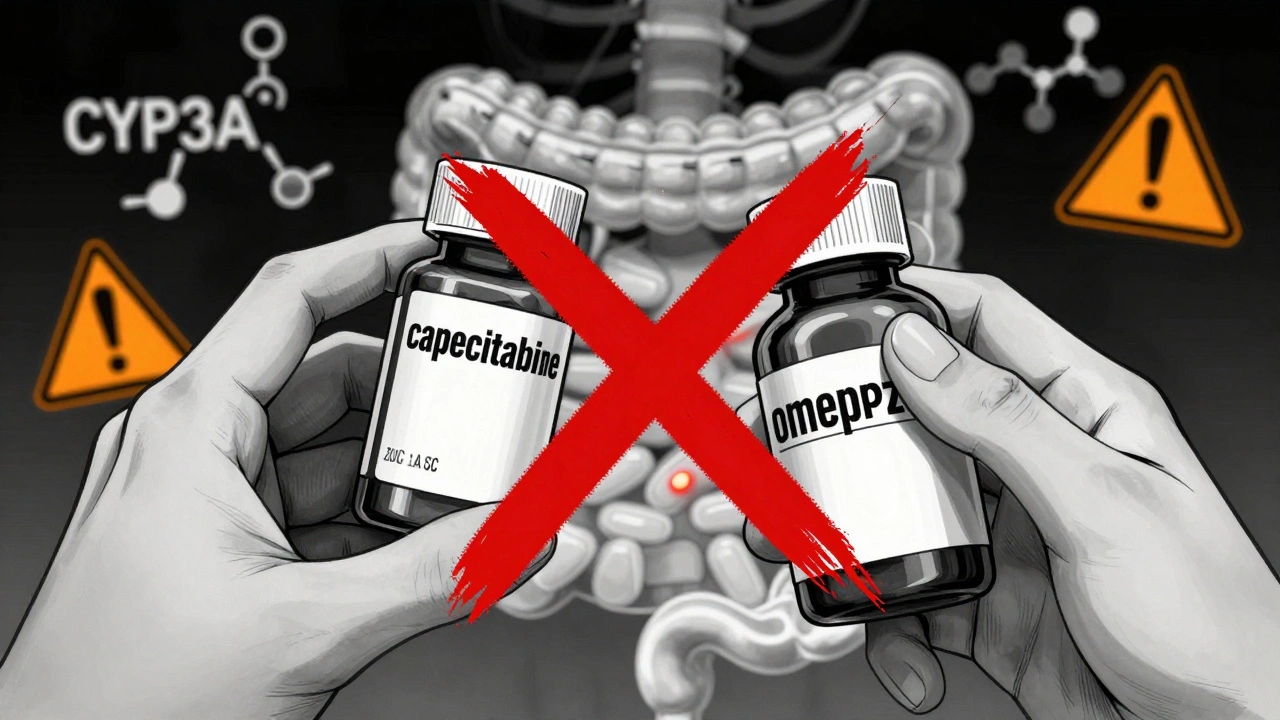
Drug interactions are the silent killer. Many oral chemo drugs are broken down by the CYP3A4 enzyme in your liver. If you take something that blocks this enzyme - like ketoconazole (a fungal medication) - your chemo levels can spike by 300%. That’s how lapatinib levels jump 325% with ketoconazole. On the flip side, rifampin (used for TB) can slash dasatinib levels by 80%. You might think you’re getting enough treatment - but you’re not. That’s how cancer comes back.
Antacids and proton pump inhibitors (PPIs) are another trap. If you’re on capecitabine, taking an antacid within two hours of your dose can cut absorption by 30-50%. That means your drug isn’t working. Same goes for PPIs like omeprazole. You can’t just pop them whenever your stomach burns. You need a strict schedule.
Storage and disposal matter too. Most oral chemo pills must be kept at room temperature (20-25°C). Don’t leave them in a hot car. Don’t store them in the bathroom. And never flush them down the toilet. The FDA requires special disposal bags for 98% of these drugs. They’re toxic - even in small amounts - to kids, pets, and the environment.
Side Effects You Can’t Ignore
Side effects aren’t just annoying - they’re warning signs. Ignoring them can lead to hospitalization.
- Hand-foot syndrome: Redness, swelling, peeling skin on hands and feet. Starts mild, but can turn into open sores. If you feel burning or tingling, call your team. Dose reduction or pause can help.
- Severe diarrhea: More than 4 loose stools a day for 2 days straight? Stop your chemo and hydrate. Dehydration can crash your kidneys.
- Mouth sores: Painful ulcers make eating and swallowing impossible. Use saltwater rinses. Avoid alcohol-based mouthwashes. Your oncology nurse can prescribe a special gel.
- Low blood counts: Fever over 38°C? That’s not a cold - it’s a medical emergency. Your white blood cells are gone. Go to the ER immediately.
- High blood pressure: Common with VEGF inhibitors. Check your BP weekly. If it hits 160/100 or higher, call your doctor. Left untreated, it can cause stroke or heart damage.
Some side effects are rare but deadly. Liver damage might not cause symptoms until it’s advanced. That’s why monthly blood tests for liver enzymes are required. Don’t skip them.
Adherence: The Silent Crisis
Only 55-75% of patients take their oral chemo exactly as prescribed. That’s a 25-45% failure rate. Think about that: one in three patients might as well not be getting treatment.
Why? Complex schedules. Capecitabine? Twice a day for 14 days, then 7 days off. Nilotinib? Must be taken on an empty stomach - no food 2 hours before or after. If you eat a snack at 10 a.m., you miss your 10:30 dose. And if you feel sick? You might skip a dose to “feel better.” That’s exactly what you shouldn’t do.
Studies show that patients who get structured support have 82% adherence. Those who don’t? Only 58%. What’s the difference? Six things:
- A 45-minute education session - not a 5-minute handout.
- Written instructions with pictures - not just verbal.
- A pill organizer with labeled compartments for each dose.
- Follow-up calls on days 3, 7, and 14 of each cycle.
- Pharmacy refill tracking - if you don’t refill on time, they call you.
- A direct line to a nurse or pharmacist for urgent questions.
One patient in Leeds took her pills correctly for months - until she started feeling nauseous. She stopped taking them for three days to “give her body a break.” Her cancer progressed. She didn’t know that skipping doses lets cancer cells adapt and become resistant. That’s why education isn’t a one-time thing. It’s ongoing.

What’s New - And What’s Coming
Technology is starting to help. The FDA approved the Proteus Discover system in 2021 - a tiny sensor inside the pill that tells your phone when you took it. Smart pill bottles with Bluetooth are in phase 3 trials and are 92% accurate at tracking doses. Some centers now use AI to predict who’s likely to miss doses based on past behavior, lifestyle, or even social isolation.
Genetic testing is also changing the game. Before giving fluoropyrimidine drugs like capecitabine, many centers now test for DPYD gene mutations. People with this mutation can’t break down the drug properly - and risk fatal toxicity. Testing cuts severe side effects by 72%.
Fixed-dose combinations are making life easier. VerzenioPlus combines two drugs in one pill. Fewer pills. Fewer chances to mess up. That’s the future.
What You Need to Do Right Now
If you’re on oral chemotherapy, here’s your action list:
- Ask for a written, visual schedule - not just a paper prescription.
- Get a pill organizer with separate slots for each dose.
- Keep a daily log: what you took, when, and how you felt.
- Know your drug interactions. Make a list of every medicine, supplement, and herb you take. Give it to your pharmacist.
- Never take antacids or PPIs without checking timing rules.
- Store pills in a cool, dry place - not the bathroom.
- Dispose of unused pills in FDA-approved bags - don’t flush or trash them.
- Call your team immediately if you have fever, severe diarrhea, or skin breakdown.
- Don’t skip blood tests. They’re not optional.
Oral chemotherapy isn’t easier. It’s different. It demands more from you - but with the right support, it can be just as safe and effective as IV treatment. The key isn’t just taking the pill. It’s understanding what that pill does, how it interacts with your body, and when to speak up.
Can I take oral chemotherapy with food?
It depends on the drug. Some, like capecitabine, must be taken with food to reduce stomach upset. Others, like nilotinib or dasatinib, require an empty stomach - no food 2 hours before or after. Always check the specific instructions for your drug. Mixing them up can cut effectiveness by half or more.
What should I do if I miss a dose?
Don’t double up. Call your oncology team immediately. For most drugs, if you miss a dose by less than 12 hours, take it as soon as you remember. If it’s been longer, skip it and resume your next scheduled dose. Never take two doses to make up for one - that can cause toxic overdose. Your team will tell you what’s safe for your specific drug.
Can I drink alcohol while on oral chemotherapy?
It’s risky. Alcohol can worsen liver damage, increase dehydration, and make side effects like nausea and fatigue worse. Some drugs, like methotrexate, can cause severe liver toxicity when mixed with alcohol. Even one drink can be dangerous. Ask your doctor if any alcohol is safe - most recommend complete avoidance.
Why do I need blood tests if I feel fine?
Oral chemo can damage your bone marrow, liver, or kidneys without you noticing. Low white blood cells? You won’t feel it until you get a fever. High liver enzymes? No symptoms until it’s advanced. Blood tests catch these early. Skipping them is like driving blindfolded. Your care team requires them for your safety - not just protocol.
How do I know if my chemo is working?
You won’t feel it. Oral chemo doesn’t cause immediate symptoms like vomiting or hair loss to prove it’s working. Effectiveness is measured through scans (CT, MRI, PET), tumor marker blood tests, and physical exams - not how you feel. If you’re not getting monitored regularly, you won’t know if your treatment is failing. Stick to your follow-up schedule.
Is oral chemotherapy cheaper than IV?
Not always. While you save on clinic visits, the drugs themselves are often more expensive. In 2025, oral chemo will make up 45% of all cancer drug spending - up from 28% in 2020. Insurance may require prior authorization or step therapy. Some patients pay hundreds per month out of pocket. Always check your coverage before starting.
Lawrence Armstrong
December 13, 2025 AT 10:59Just started oral chemo last month. Took me 3 weeks to realize I was storing my pills next to the coffee maker. Now they’re in a sealed container in the fridge. Learned the hard way that heat kills potency. Also, never mix with grapefruit juice. Ever. 🍊❌
Donna Anderson
December 15, 2025 AT 00:04OMG YES this is so real!! I missed a dose because i thought ‘maybe my body needs a break’ and then my tumor marker went up. My nurse screamed at me over the phone (in a nice way lol) and now i have a phone alarm for every pill. Also, pill organizer = lifesaver. 🙌
Rob Purvis
December 16, 2025 AT 02:04It’s not just about remembering to take the pill-it’s about understanding the pharmacokinetics, the metabolic pathways, the enzyme interactions... CYP3A4 is the silent gatekeeper here. And if you’re taking OTC supplements? Ginger? Turmeric? St. John’s Wort? They’re all CYP3A4 modulators. You’re not just risking side effects-you’re sabotaging efficacy. Most patients don’t even know what CYP3A4 is. That’s the real crisis.
And the disposal? I’ve seen people flush pills like they’re toilet paper. That’s not just irresponsible-it’s ecologically violent. These drugs are endocrine disruptors. They end up in rivers. In fish. In our drinking water. We need mandatory take-back programs. Not suggestions. Mandates.
Also, the idea that ‘if I feel fine, I don’t need blood work’? That’s a death sentence disguised as optimism. Liver enzymes don’t scream. They whisper. And by the time you hear them, it’s too late.
Education isn’t a handout. It’s a ritual. A daily check-in. A conversation. A phone call. A nurse who remembers your name and your pill schedule. That’s what saves lives-not just the drug.
wendy b
December 17, 2025 AT 09:43Let’s be honest-most patients are not equipped to manage oral chemotherapy. It’s a clinical trial on a human scale. The fact that we’re trusting people with zero pharmacology training to navigate CYP3A4 interactions, bioavailability fluctuations, and toxicity thresholds is frankly negligent. The FDA approved these drugs based on clinical trials where patients were monitored daily. In the real world? They’re left alone with a 2-page PDF and a 10-minute nurse chat. This isn’t innovation-it’s cost-shifting. And it’s dangerous.
Also, ‘take on empty stomach’? How many people have a 2-hour window where they eat nothing? Parents? Workers? People with diabetes? The system is designed for the ideal patient-who doesn’t exist.
sandeep sanigarapu
December 19, 2025 AT 05:08Good article. Very clear. I am from India. Many patients here do not have access to pill organizers or regular blood tests. We need low-cost solutions: SMS reminders, community health workers, free disposal bags. Education must be in local languages. Not just English. Safety should not depend on wealth.
Adam Everitt
December 19, 2025 AT 16:08Oral chemo… it’s like giving someone a loaded gun and saying ‘be careful’… but not telling them how to unload it. We’ve outsourced medical responsibility to the most vulnerable people in the system-the sick. And then we wonder why outcomes vary so wildly. It’s not adherence. It’s abandonment. And the pharmaceutical companies? They’re not selling pills. They’re selling convenience. And profit.
Ashley Skipp
December 20, 2025 AT 04:48People think oral chemo is easy because it’s not IV. Wrong. It’s harder. You have to be a pharmacist, a nurse, and a detective. And if you mess up? You die. No second chances. Stop romanticizing home treatment. It’s not empowerment. It’s neglect dressed up as innovation.
Nathan Fatal
December 21, 2025 AT 02:18One thing no one talks about: the psychological toll. Taking chemo at home means you’re alone with your fear every single day. There’s no nurse to check your vitals, no other patient to share a laugh with. You’re not just managing a drug-you’re managing isolation. The real breakthrough won’t be smart pills or AI. It’ll be human connection. A call. A text. Someone who says ‘I see you.’ That’s what keeps people alive.