Linezolid-Tyramine Safety Calculator
Linezolid can cause dangerous blood pressure spikes when combined with foods high in tyramine. This calculator helps you determine if your food choices exceed the 100 mg threshold that can cause a hypertensive crisis.
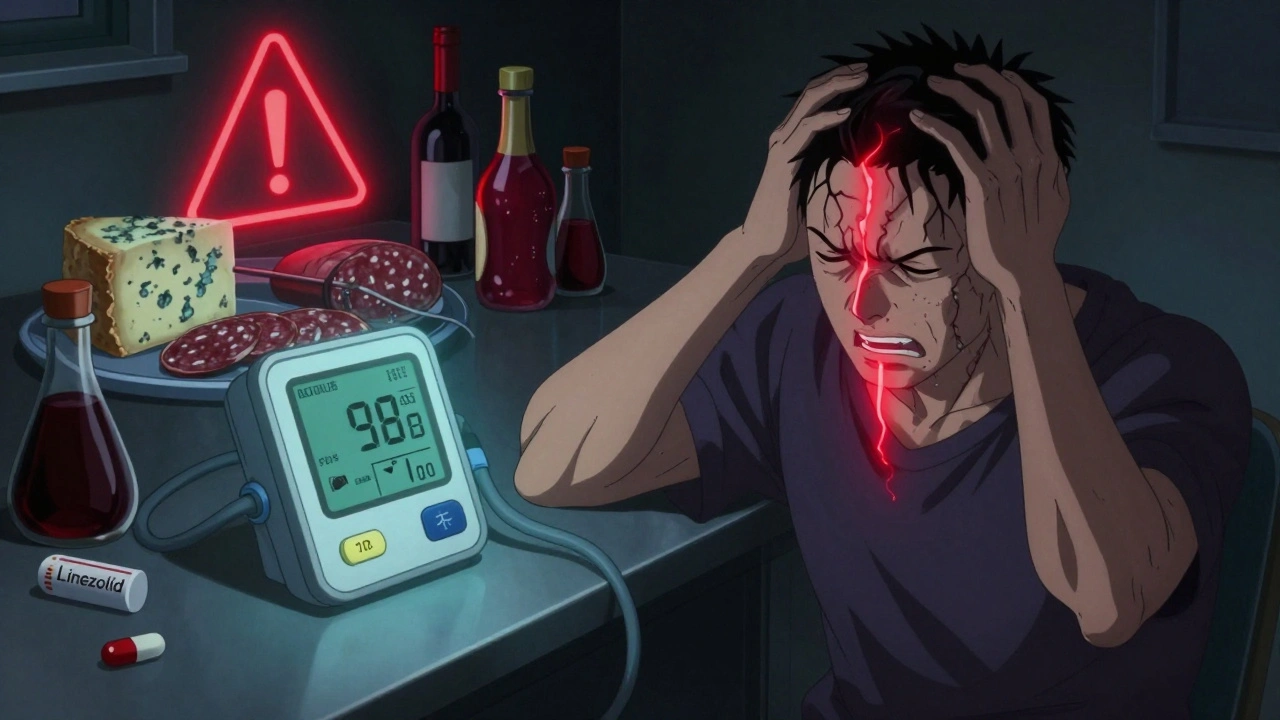
When you're prescribed linezolid for a serious bacterial infection like MRSA or VRE, your main concern is probably getting better fast. But there’s a hidden danger you might never hear about unless someone tells you: eating the wrong food while on this antibiotic can send your blood pressure soaring - fast and dangerously. This isn’t a rare side effect. It’s a well-documented, life-threatening reaction that happens because linezolid acts like a weak monoamine oxidase inhibitor (MAOI), and that changes how your body handles something called tyramine.
What Happens When Linezolid Meets Tyramine?
Linezolid, sold under the brand name Zyvox, is a powerful antibiotic used when other drugs fail. But unlike most antibiotics, it blocks the enzyme monoamine oxidase - the same enzyme targeted by older antidepressants called MAOIs. This enzyme normally breaks down tyramine, a compound found naturally in aged, fermented, or spoiled protein-rich foods. When linezolid shuts down this cleanup system, tyramine builds up in your bloodstream.
That buildup triggers a flood of norepinephrine, a natural stimulant that tightens blood vessels. The result? A sudden, severe spike in blood pressure - a hypertensive crisis. Symptoms include pounding headache, blurred vision, chest pain, nausea, and in worst cases, stroke or heart attack. The FDA confirms that consuming more than 100 mg of tyramine while on linezolid can cause systolic blood pressure to jump 30 to 50 mmHg within just 30 to 120 minutes. That’s not a minor uptick. That’s a medical emergency.
Which Foods Are Dangerous?
Not all foods are risky. The problem is with foods where proteins have broken down over time. Think aged, fermented, smoked, or improperly stored items. Here’s what to avoid completely while on linezolid and for 14 days after you finish:
- Aged cheeses: Blue cheese, cheddar, Swiss, parmesan, brie, camembert - any cheese that’s been sitting for weeks or months. A single ounce can contain 50 to 400 mg of tyramine.
- Dry fermented sausages: Salami, pepperoni, summer sausage. These are fermented with bacteria that produce tyramine as they age.
- Tap beer, bottled beer, ale, and cider: Even small amounts can push you over the danger threshold. Draft beer and homebrewed alcohol are especially risky.
- Red wine: Chianti, Burgundy, and other full-bodied wines have high levels. White wine in small amounts (one glass) is usually safe.
- Liquors, vermouth, and homemade wine: These are off-limits.
- Liver, game meats, and pâté: Organ meats and wild game often contain high tyramine levels due to storage and processing.
- Soy sauce, miso, and fermented tofu: Even a tablespoon of soy sauce can have 6 to 30 mg of tyramine - enough to add up quickly.
- Overripe fruits and spoiled foods: Bananas, avocados, and figs become riskier as they ripen. Never eat anything that smells or looks off.
It’s not just about avoiding cheese and wine. Even small amounts of multiple high-tyramine foods can add up. One slice of salami, a splash of soy sauce, and a handful of aged cheese could easily cross the 100 mg threshold.
What’s Safe to Eat?
The good news? Most fresh, unprocessed foods are perfectly safe. You don’t need to starve yourself. Here’s what you can eat without worry:
- Fresh meats: Chicken, beef, pork, and fish - as long as they’re freshly purchased and cooked the same day.
- Fresh vegetables and fruits: Except for very ripe bananas, avocados, and figs.
- Plain bread, rice, and pasta: No sauces or fermented toppings.
- Decaffeinated coffee and tea: Regular coffee is fine too - caffeine isn’t the issue here.
- White wine (in moderation): One small glass (1 unit) is generally acceptable.
- Chocolate (small amounts): A few squares of milk chocolate are okay. Avoid dark chocolate in large quantities.
- Plain crisps and snacks: Avoid flavored chips with soy sauce or yeast extracts.
Key rule: If it’s been sitting around, fermented, aged, or stored for days, skip it. When in doubt, choose fresh and simple.
Hospital Patients Don’t Need the Same Restrictions
If you’re in the hospital on linezolid, you might be surprised to learn that your meals probably won’t be restricted. That’s because hospital kitchens follow strict food safety protocols. Standard meals are made with fresh ingredients and rarely include high-tyramine items. A 2010 study from NewYork-Presbyterian Hospital found that even the highest-tyramine hospital meals contained less than 42 mg per day - far below the 100 mg danger level.
As a result, most U.S. hospitals stopped enforcing full MAOI diets for inpatients by 2015. The NHS in the UK and other major health systems now only advise avoiding specific risky foods - not banning entire food groups. This change saved hospitals millions in food costs and reduced unnecessary stress for patients.
Outpatients Are at Higher Risk
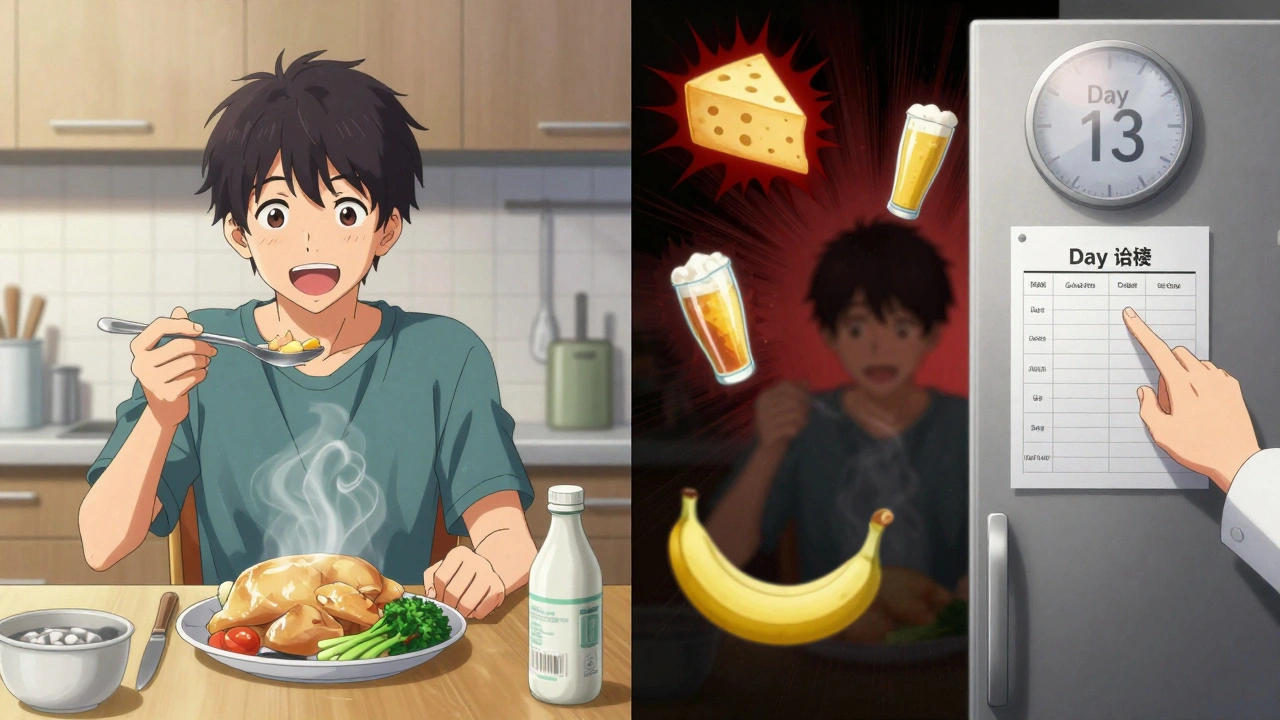
But if you’re taking linezolid at home, you’re on your own. You’re eating what you want - and that’s where most problems happen. A 2019 survey found only 45% of outpatients received proper dietary counseling when prescribed linezolid. That’s a huge gap.
Real cases show the danger isn’t theoretical. One patient reported a 45 mmHg blood pressure spike after eating blue cheese while on linezolid. Another ended up in the ER after drinking craft beer. These aren’t isolated incidents. The most common mistake? Resuming high-tyramine foods too soon after finishing the antibiotic.
Wait 14 Days After Your Last Dose
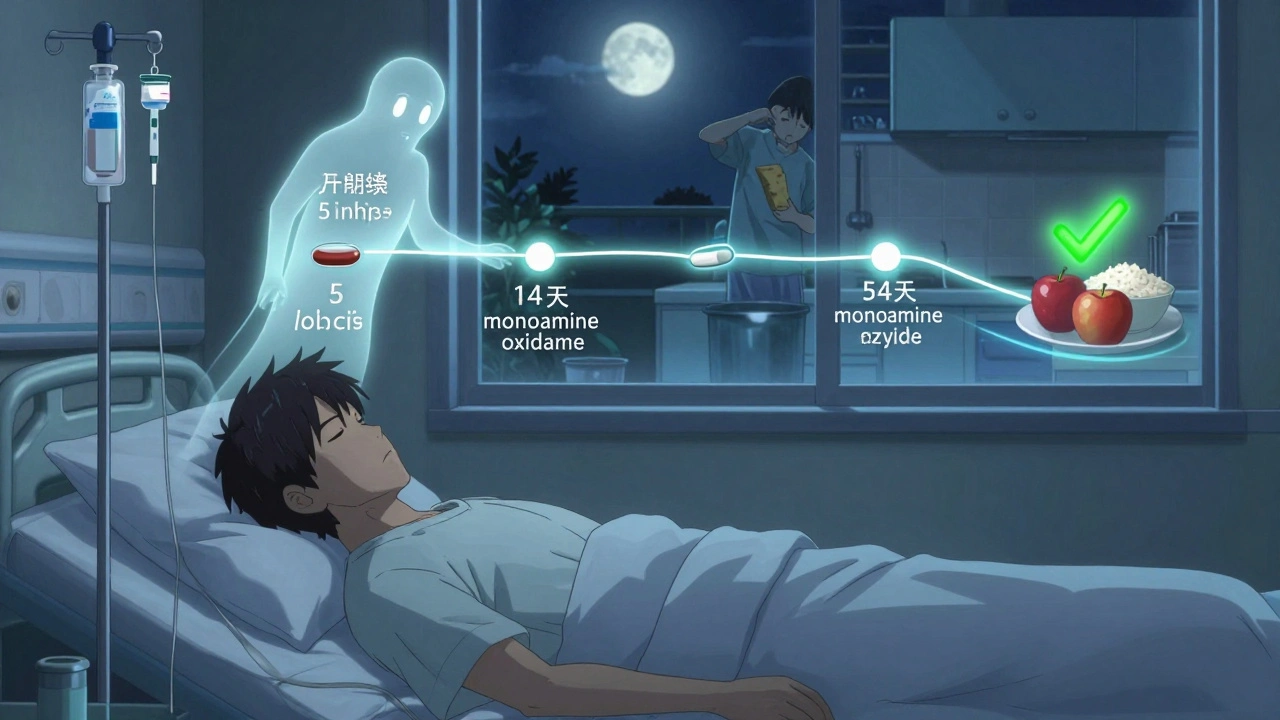
Even after you finish your last pill, the risk doesn’t disappear right away. Linezolid’s effect on monoamine oxidase lasts much longer than its presence in your blood. Though the drug clears your system in about 5 hours, the enzyme inhibition persists. It takes about 14 days for your body to fully regenerate the enzyme and return to normal tyramine processing.
That’s why experts - including pharmacists like Dr. Brian Staiger - insist you wait two full weeks after your last dose before eating aged cheese, salami, red wine, or tap beer. Jumping the gun is one of the top reasons for hypertensive crises after linezolid therapy.
What If You Accidentally Eat Something Risky?
If you accidentally eat a high-tyramine food and start feeling a pounding headache, chest tightness, or blurred vision - stop eating and call your doctor or go to the ER immediately. Don’t wait. Don’t try to “wait it out.” A hypertensive crisis can escalate quickly.
Emergency treatment involves medications like nifedipine or nitroprusside to bring blood pressure down fast. But prevention is always better than treatment.
How to Stay Safe: A Simple Checklist
Here’s your practical guide to avoiding trouble:
- Ask your pharmacist: Before leaving the pharmacy, ask them to review your diet. Most will give you a printed list.
- Read labels: Check for “fermented,” “aged,” “cured,” or “yeast extract.”
- Buy fresh: Get meat, cheese, and fish the same day you plan to eat them.
- Store properly: Refrigerate leftovers within 2 hours. Don’t keep food longer than 2 days.
- Stick to the 14-day rule: No exceptions. Even if you feel fine, wait two weeks.
- Alert family and friends: They might be the ones who bring you a plate of salami and cheese.
Why This Matters Beyond the Antibiotic
Linezolid is a critical tool in fighting superbugs like MRSA and VRE - bacteria that don’t respond to most antibiotics. But its power comes with a price: dietary discipline. The FDA requires a black box warning on linezolid packaging because this interaction is serious, predictable, and preventable.
By following these guidelines, you’re not just protecting yourself from a headache - you’re ensuring this powerful antibiotic stays effective for everyone. Misuse and avoidable complications can lead to more resistant infections down the line.
Final Thought: Knowledge Is Your Shield
You don’t need to become a nutritionist. You don’t need to memorize tyramine levels. Just remember this: if it’s been sitting, aging, fermenting, or curing - don’t eat it while on linezolid. Stick to fresh, simple foods. Wait two weeks after your last pill. And if you’re unsure - skip it. Your blood pressure will thank you.
Can I drink coffee while taking linezolid?
Yes, you can drink coffee while on linezolid. Caffeine does not interact with linezolid in a dangerous way. Both regular and decaffeinated coffee are safe. The real concern is tyramine, not caffeine. Just avoid adding soy sauce or fermented flavorings to your coffee.
Is red wine the only dangerous alcohol?
No. While red wine is especially high in tyramine, all fermented alcoholic drinks pose a risk. This includes bottled or canned beer, ale, cider, champagne, liqueurs, and homemade wine. White wine in small amounts (one 5-ounce glass) is generally considered safe, but avoid all other types. Tap beer and craft beers are especially risky due to higher tyramine levels from fermentation.
What if I’m hospitalized? Do I need to change my diet?
In most hospitals, you don’t need to follow a strict tyramine-restricted diet. Hospital meals are made with fresh ingredients and rarely contain high-tyramine foods. Studies show hospital meals typically contain less than 42 mg of tyramine per day - far below the 100 mg danger threshold. Staff will only warn you to avoid specific high-risk items like aged cheese or fermented meats if they’re served.
Can I eat chocolate while on linezolid?
Yes, but only in small amounts. A few squares of milk chocolate are generally safe. Dark chocolate contains more tyramine and should be avoided in large quantities. Avoid chocolate that includes nuts, caramel, or fermented ingredients like soy lecithin in high amounts. Stick to plain, simple chocolate.
How long does linezolid stay in my system?
Linezolid clears from your bloodstream in about 5 hours. But its effect on monoamine oxidase enzymes lasts much longer - up to 14 days. That’s why you must wait two weeks after your last dose before eating high-tyramine foods. Even if you feel fine, your body still needs time to rebuild the enzymes that break down tyramine.
Are there any alternatives to linezolid that don’t require diet changes?
Yes, depending on your infection. For MRSA, alternatives like daptomycin, vancomycin, or ceftaroline may be used - and none require dietary restrictions. But linezolid is often chosen when other drugs can’t be used, such as in patients with kidney problems or allergies. Your doctor will pick the safest option based on your health and infection type.
Libby Rees
December 4, 2025 AT 21:15Just finished my 10-day course of linezolid and I’m still waiting out the 14 days. Better safe than sorry - I’ve seen too many people think ‘I feel fine’ means it’s okay to go back to their cheese board.
Gillian Watson
December 5, 2025 AT 00:48So glad this was posted. My mum was on linezolid last year and the pharmacist gave her a 3-page handout. Most people don’t realize how sneaky tyramine can be - even soy sauce in stir-fry can trip you up.
Jordan Wall
December 6, 2025 AT 11:41Broooooo… I just had a pint of IPA and a slice of gorgonzola on day 9… 🤪 hope my BP doesn’t hit 220/130 😂😂😂
Gareth Storer
December 7, 2025 AT 11:34Wow, someone actually wrote a 2000-word essay on cheese and antibiotics. Next up: ‘How to Avoid Death by Pickled Herring While Taking Cipro.’
Pavan Kankala
December 9, 2025 AT 02:25They’re lying. This is all a Big Pharma scam to sell you ‘safe’ food. Tyramine isn’t dangerous - it’s your body’s way of telling you you’re alive. The real killer? The system that makes you fear your own cravings.
Martyn Stuart
December 9, 2025 AT 23:51Important note: Always check the sodium content on soy sauce labels - high-sodium versions often contain more tyramine due to fermentation methods. Also, avoid ‘natural flavorings’ - they can contain hydrolyzed soy protein, which is a hidden tyramine bomb. And yes, even ‘organic’ aged cheeses are dangerous. Stick to fresh mozzarella, ricotta, or cottage cheese - no exceptions. Always read the fine print - your life depends on it.
Alex Piddington
December 11, 2025 AT 17:47Thank you for the thorough breakdown. As a clinical pharmacist, I’ve seen patients ignore these warnings - and end up in the ER with hypertensive encephalopathy. The 14-day rule isn’t arbitrary; it’s based on enzyme turnover kinetics. Please, if you’re reading this - respect the timeline. Your brain will thank you.
Dematteo Lasonya
December 13, 2025 AT 15:33I didn’t know chocolate could be risky - I ate a whole bar on day 8 and felt fine. But now I’m just gonna stick to plain rice and steamed veggies until day 15. Better safe than sorry.