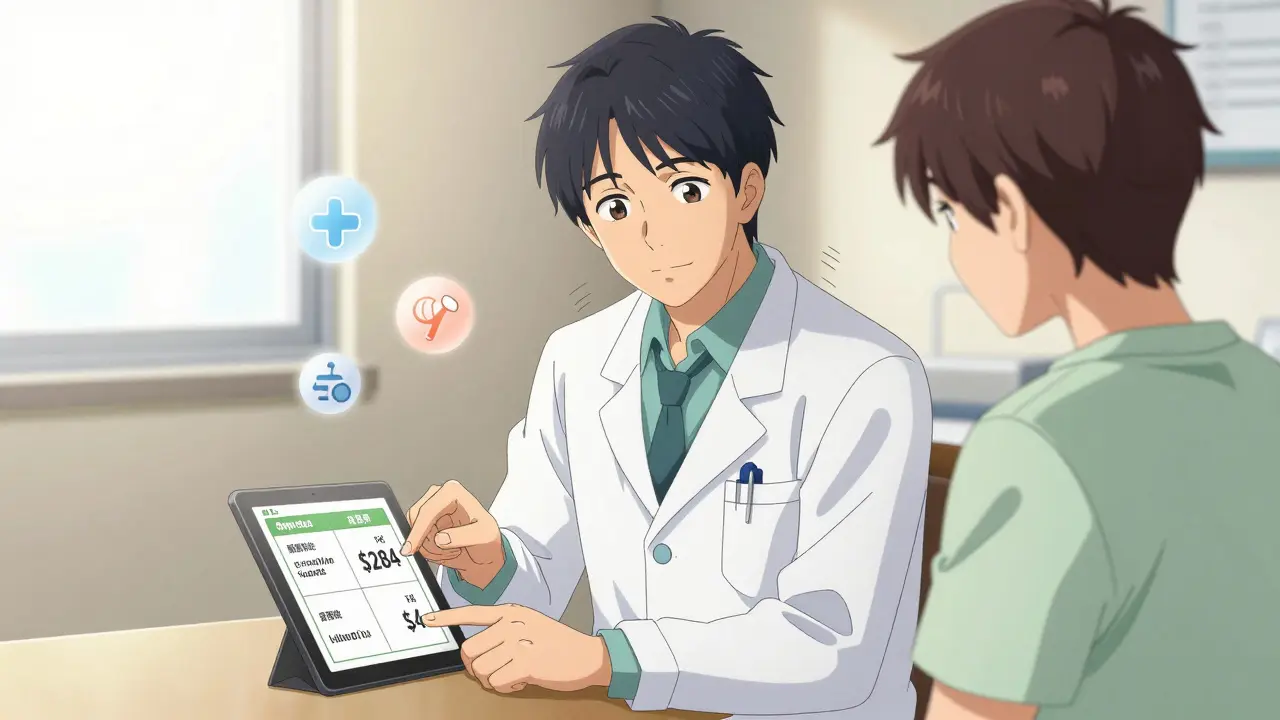
Why You Should Even Ask About Generic Medications
Let’s be honest-when your doctor hands you a prescription, you probably don’t think twice about the price. But here’s the thing: if you’re paying $200 for a 30-day supply of a brand-name pill, there’s a very good chance you could get the exact same medicine for $4. That’s not a typo. It’s not a scam. It’s a generic drug.
Generic medications aren’t second-rate. They’re not cheap knockoffs. They’re FDA-approved copies of brand-name drugs that contain the same active ingredients, work the same way in your body, and are held to the same strict safety standards. The only real difference? The price tag-and sometimes the color or shape of the pill.
Over 90% of all prescriptions filled in the U.S. are for generic drugs. That’s not because people are desperate. It’s because they work. And if you’re still taking brand-name meds without asking, you’re probably overpaying.
How Generics Work (And Why They’re So Much Cheaper)
Brand-name drugs cost a lot because the company that invented them spent years and millions developing them. Once the patent expires-usually after 17 years-other companies can make the same drug. They don’t need to redo the clinical trials. They just need to prove their version delivers the same amount of medicine into your bloodstream at the same rate.
The FDA calls this “bioequivalence.” It means your body absorbs the generic drug just like the brand-name one. The acceptable range? Between 80% and 125% of the brand’s absorption. That’s not a wide gap-it’s tight enough to ensure safety and effectiveness.
When just one company makes the generic, it might be 20% cheaper. When three or four companies start making it? Prices crash. The FDA says 85% of drugs get multiple generic makers within two years. And when that happens, prices drop 50% to 95%.
Take omeprazole. The brand-name version, Prilosec, costs around $284 for a month’s supply. The generic? $4. Same drug. Same results. Same side effects. Just a fraction of the cost.
When Generics Might Not Be the Best Choice
There’s a small group of medications where even tiny differences in how the drug is absorbed can matter. These are called “narrow therapeutic index” drugs. That’s a fancy way of saying: if your blood levels dip even a little, the drug won’t work. If they spike, you could have serious side effects.
Examples include:
- Warfarin (a blood thinner)
- Levothyroxine (for thyroid conditions)
- Some anti-seizure medicines like phenytoin and carbamazepine
For these, your doctor might prefer you stick with one brand-or one generic manufacturer-to keep your levels stable. That’s not because generics are unsafe. It’s because consistency matters more here.
But here’s the key: this applies to only about 5% of all prescriptions. If your doctor says “no generics,” ask: “Is this one of those drugs where small changes matter?” If they can’t answer, they might not know. And that’s okay. You can ask for clarification.
How to Bring It Up Without Sounding Like You’re Trying to Cut Corners
Asking about generics doesn’t mean you’re cheap. It means you’re informed. And doctors appreciate that.
Don’t just say, “Can I get the generic?” That puts them on the spot. Instead, try one of these:
- “I’m trying to keep my medication costs down. Is there a generic version available for this?”
- “I’ve heard generics are just as effective. Would it be safe for me to use one?”
- “I’d like to use the most cost-effective option that still works well. Are generics appropriate here?”
Use phrases like “I’m willing to work together” or “I want the best outcome at the best price.” That frames it as a partnership, not a demand.
Bring a printed list of your current meds and their prices. Blue Cross Blue Shield of Texas has simple charts showing brand vs. generic costs. Even just writing down “Nexium $284 vs. omeprazole $4” makes the point instantly.
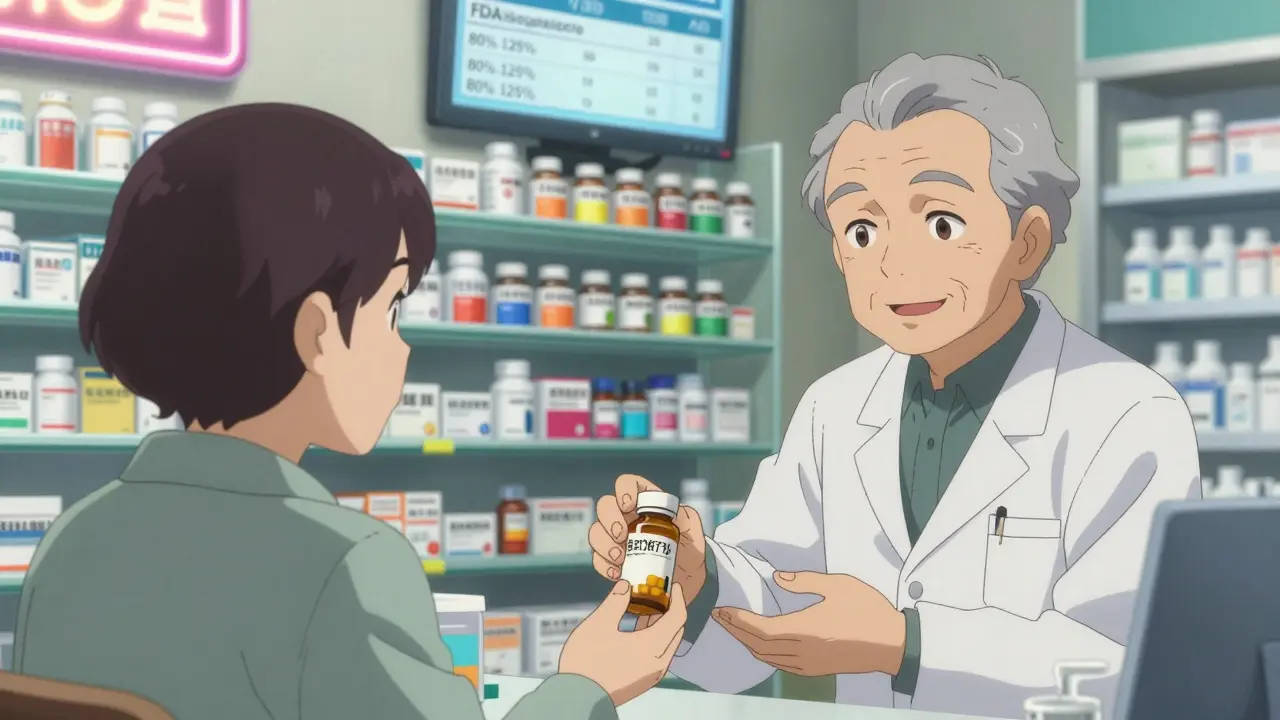
Timing Matters: Ask Before You Leave the Office
Waiting until you’re at the pharmacy to ask about generics is too late. If your doctor wrote “Dispense as Written” or “Do Not Substitute” on the prescription, the pharmacist can’t switch it-even if a cheaper version exists.
That’s why you need to ask during the appointment. If you wait, you might end up paying full price, then having to go back to the doctor to change it. That’s extra time, extra stress, and extra cost.
And if your doctor says, “I don’t know if a generic exists,” don’t walk away. Say, “Can you check the FDA’s Orange Book? Or can we look it up together?” Most doctors don’t track every new generic, but they can look it up in seconds.
What Your Pharmacist Can Do (And Why You Should Talk to Them)
Pharmacists are your secret weapon. In 48 states, they’re allowed to substitute a generic unless the doctor says “no.” That means even if your doctor didn’t mention generics, your pharmacist can step in.
When you pick up your prescription, ask: “Is there a generic version available for this?” If they say yes, they can often call your doctor to suggest the switch-especially if the brand isn’t covered by your insurance.
Pharmacists also know which generic manufacturers are reliable. If you’ve had a bad experience with one brand of generic (like stomach upset or a different pill shape), tell them. They can request a different manufacturer. Consistency matters, even with generics.
Insurance Plays a Big Role-Here’s How to Use It
Your insurance plan might already be pushing you toward generics. Medicare Part D plans fill 89% of eligible prescriptions with generics. Commercial plans? Around 72%. That means your insurer might already be saving you money without you even asking.
But here’s the catch: some plans require you to try the generic first before they’ll cover the brand. That’s called “step therapy.” If your doctor prescribes a brand-name drug, your insurer might deny it and say, “Try the generic first.”
That’s not a denial. It’s a rule. And if you push back, your doctor can appeal. But if you ask upfront, you avoid the whole delay.
Check your plan’s formulary online. Look up your drug. If it says “Preferred Generic,” that’s your best bet.
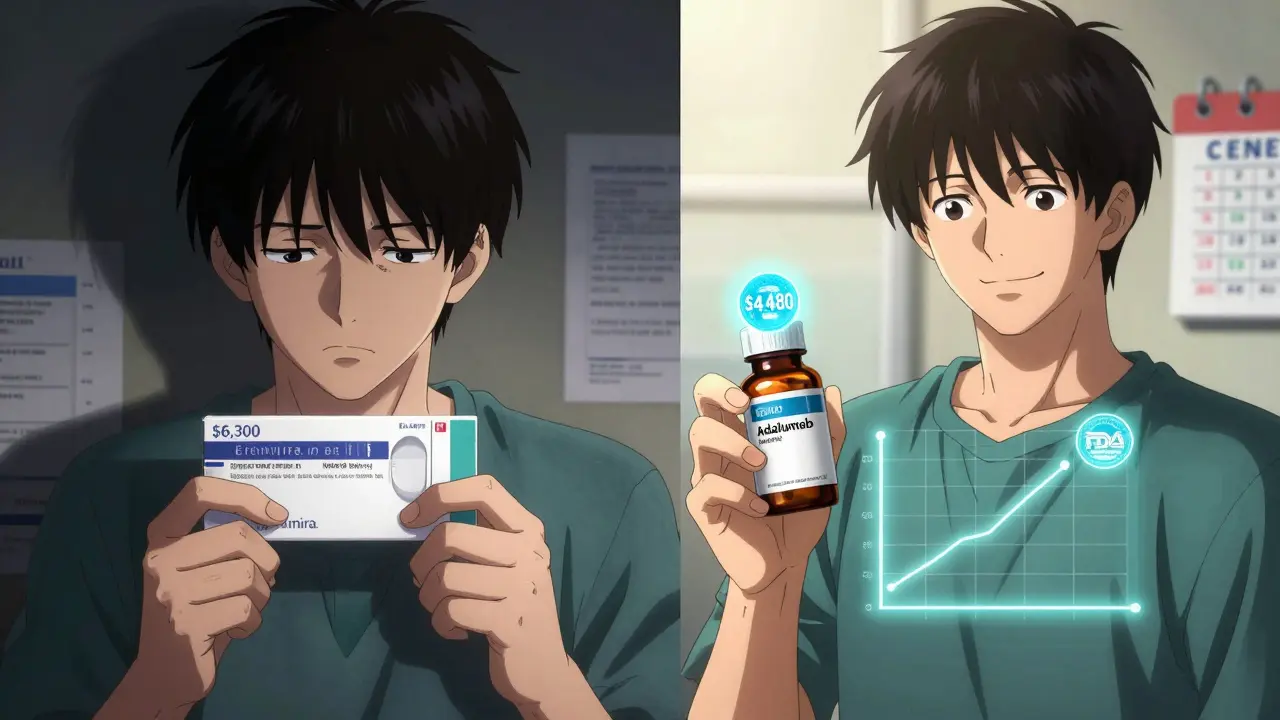
Real People, Real Savings
A 68-year-old woman in Ohio switched from brand-name Humira to its generic, adalimumab. Her monthly cost dropped from $6,300 to $4,480. That’s over $20,000 a year saved. Her rheumatoid arthritis stayed under control. Her C-reactive protein levels? Identical.
A man in Florida switched from brand-name levothyroxine to a generic. His thyroid levels stayed stable. He saved $300 a year.
On Drugs.com, 78% of users who switched from brand to generic for common drugs like lisinopril or sertraline reported no difference in effectiveness. Only 12% noticed minor side effects-likely from inactive ingredients, not the active drug.
And according to AARP, seniors who asked their doctors about generics saved an average of $427 a year. That’s not pocket change. That’s groceries. That’s gas. That’s a prescription you can actually afford.
What to Do If Your Doctor Says No
If your doctor refuses to prescribe a generic, ask why. Not aggressively. Just calmly.
“Is it because this is a narrow therapeutic index drug?”
“Is there a reason you’re concerned about switching?”
“Can we get a second opinion or check the latest FDA guidance?”
Most doctors aren’t refusing because they think generics are unsafe. They’re either not up to date, or they’re being extra cautious. If you bring up the FDA’s 2022 report that 95% of generics perform identically, they’ll often reconsider.
And if they still say no? Ask for a written reason. That’s your right. And if it’s not a narrow therapeutic index drug? You might want to consider seeing another doctor who’s more familiar with cost-effective prescribing.
Bottom Line: You Deserve to Pay Fairly for Your Medicine
Medicine isn’t a luxury. It’s a necessity. And you shouldn’t have to choose between your health and your budget.
Generic drugs aren’t a compromise. They’re a smart choice. They’re backed by science. They’re approved by the FDA. They’re used by millions every day.
Next time you get a prescription, ask. Not because you’re trying to save money-though you are. But because you deserve to know your options. And your doctor is there to help you make the best decision.
Start with one drug. Ask one question. Save hundreds. And if it works? Do it again next time.
Are generic drugs really as good as brand-name drugs?
Yes, for the vast majority of medications-about 95%-generic drugs are just as effective and safe as their brand-name counterparts. The FDA requires them to contain the same active ingredients, work the same way in your body, and meet the same quality standards. The only differences are in color, shape, or inactive ingredients, which don’t affect how the drug works.
Why are generic drugs so much cheaper?
Brand-name drug companies spend years and millions developing a new medication and hold a patent that lets them be the only seller. Once the patent expires, other companies can make the same drug without repeating expensive clinical trials. They just need to prove it works the same way. With multiple companies competing, prices drop dramatically-often by 80% to 95%.
Can I switch from a brand-name drug to a generic anytime?
For most medications, yes. But for drugs with a narrow therapeutic index-like warfarin, levothyroxine, or certain seizure meds-your doctor may recommend staying on the same version (brand or generic) to keep your blood levels stable. Always check with your doctor before switching, especially if you’ve had issues with side effects in the past.
What if my pharmacist gives me a different generic than last time?
It’s normal. When multiple companies make the same generic, pharmacies may switch suppliers based on cost or availability. For most drugs, this doesn’t matter. But if you notice new side effects or feel different, tell your pharmacist. They can request the same manufacturer next time, or check with your doctor if it’s a narrow therapeutic index drug.
Will my insurance cover the generic?
Almost always. Most insurance plans, including Medicare Part D, prefer generics and require you to try them first. Even if your plan doesn’t require it, generics usually have lower copays. Check your plan’s formulary online or call customer service to confirm coverage.
What if my doctor says no generic is available?
Ask if the drug is even eligible for a generic. Many brand-name drugs still have patents, but many don’t. You can ask your doctor to check the FDA’s Orange Book or look up the drug on the FDA website. If a generic exists but isn’t being prescribed, it’s worth asking why. Sometimes it’s just habit-not medical necessity.
Bryan Coleman
February 1, 2026 AT 09:44i just asked my doc about my blood pressure med last week and she was like 'oh yeah theres a generic for that' and i was like wow i've been paying $120 a month for nothing
Naresh L
February 2, 2026 AT 22:31the real question isnt whether generics work-it's why we let corporations turn medicine into a profit game in the first place. if a pill can be made for $4, why does anyone deserve to charge $200? science doesn't care about shareholders.
Sami Sahil
February 3, 2026 AT 04:44bro just ask for the cheap one 😎 your body dont care if its blue or white, it just wants the active ingredient. i switched to generic metformin and saved $300 a month. my diabetes still chill
franklin hillary
February 3, 2026 AT 23:00youre not saving money youre reclaiming your right to not be exploited by pharmaceutical monopolies
the system wants you to think its a tradeoff-health or wallet-but its a lie
generics are not a compromise theyre the default
if your doctor doesnt know this youre paying for their ignorance
and yes i know someone who switched from brand name levothyroxine to generic and her TSH stayed perfect for 3 years straight
the FDA doesnt lie
your insurance company already knows this
why are you still letting them charge you more
Bob Cohen
February 5, 2026 AT 19:59oh wow someone actually wrote a whole guide on how to not get ripped off by the healthcare system
how quaint
next they’ll tell us to breathe air instead of paying for oxygen tanks
but seriously though-this is the bare minimum. if you have to google how to ask your doctor for a generic, the system is already broken
Ishmael brown
February 7, 2026 AT 00:11my pharmacist switched me to a generic last month and now my pills are purple 🟣
also they taste weird
so i switched back
but only because i’m a weirdo
also i cried a little
Aditya Gupta
February 7, 2026 AT 13:30ask for generic. save cash. same effect. no drama.
done.
Nancy Nino
February 8, 2026 AT 16:10It is, of course, a matter of profound ethical significance that patients are routinely overcharged for medications that are chemically identical to those available at a fraction of the cost. One might argue that this constitutes a systemic failure of both regulatory oversight and moral responsibility.
That said, I am pleased to see this information being disseminated. It is long overdue.
Jaden Green
February 9, 2026 AT 06:11Let’s be honest-this entire post reads like a corporate-sponsored PSA disguised as grassroots advocacy. Who wrote this? A Big Pharma intern trying to make generics look safe so they can keep their patent extensions intact? The FDA’s approval process isn’t some sacred ritual-it’s a bureaucratic rubber stamp that lets companies recycle old molecules and slap new labels on them. And don’t get me started on the inactive ingredients. You think it’s ‘just the color’? Try switching generics and having your stomach turn into a warzone. I’ve been on the same brand of sertraline for seven years because my gut revolted against every generic variant they threw at me. So yes, sometimes the ‘same drug’ is just a different kind of poison. And if you’re just blindly trusting the system because a website told you to, you’re not informed-you’re gullible.