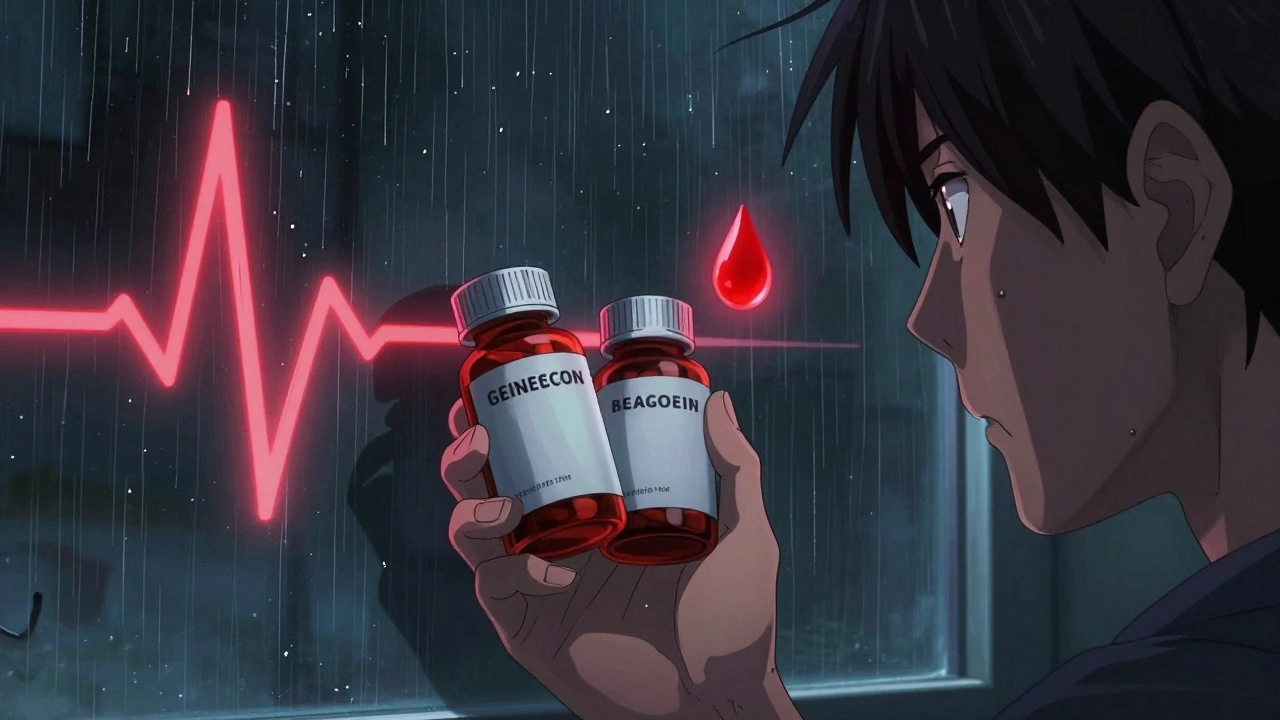
When you switch from a brand-name drug to a generic version, most people assume it’s just a cheaper version of the same thing. But for NTI drugs-narrow therapeutic index medications-that assumption can be dangerous. These aren’t your typical pills. A tiny change in blood levels can mean the difference between effective treatment and life-threatening side effects. Studies show that for some NTI drugs, switching generics isn’t as simple as swapping labels.
What Makes a Drug an NTI Drug?
NTI drugs have a very narrow window between the dose that works and the dose that harms. Think of it like walking a tightrope: too little, and the drug doesn’t do its job. Too much, and you risk serious injury or death. The FDA defines them as drugs where small changes in blood concentration can lead to serious therapeutic failures or adverse reactions that are life-threatening or cause lasting disability.
Examples include warfarin (a blood thinner), phenytoin and levetiracetam (anti-seizure meds), levothyroxine (thyroid hormone), digoxin (heart medication), and cyclosporine and tacrolimus (transplant immunosuppressants). For these drugs, the therapeutic window is often less than a 2-fold difference between the minimum effective and minimum toxic levels. That’s why even a 10% variation in absorption can trigger problems.
How Are Generics Tested? The Bioequivalence Gap
Most generic drugs must prove they’re bioequivalent to the brand-name version-meaning they deliver the same amount of active ingredient into the bloodstream within a similar timeframe. The standard allowed range? 80% to 125% of the brand’s levels. That’s a 45% swing.
But for NTI drugs, that range is too wide. If a patient takes a generic that delivers only 80% of the brand’s concentration, then switches to another generic that delivers 125%, they’ve just gone from underdosed to overdosed-without changing prescriptions. That’s a 56% total fluctuation in exposure. For someone on warfarin, that could mean a stroke or a bleed. For someone on cyclosporine, it could mean organ rejection.
Canada and the European Medicines Agency recognize this. They require tighter bioequivalence limits for NTI drugs: 90% to 111%. The FDA still uses the broader standard for most drugs, though it acknowledges the risk and has started reviewing product-specific guidelines.
Warfarin: Mixed Signals, But Monitoring Works
Warfarin is the most common NTI drug in use. About 48% of NTI drug starts are for warfarin. Studies show conflicting results. Some observational data suggest patients experience more INR fluctuations after switching generics-up to 39% had worse control. But randomized controlled trials found no significant difference in bleeding or clotting events between brand and generic warfarin.
So what’s the real story? The key is monitoring. Patients who had their INR checked within 1-2 weeks after switching had no increased risk. Those who didn’t? Higher rates of instability. The AMA recommends extra INR checks after any switch. For most people, generic warfarin is safe-if you track your numbers.

Antiepileptic Drugs: The High-Stakes Risk
This is where things get serious. For patients with epilepsy, a seizure isn’t just inconvenient-it’s life-altering. Studies of generic phenytoin and levetiracetam show troubling patterns.
One review of 760 epileptic patients found that many switched back to brand-name drugs because of increased seizures, memory loss, depression, and blurred vision. Another study showed generic phenytoin delivered 22-31% less drug into the bloodstream than the brand. In one physician survey, 50 patients had breakthrough seizures after switching generics. Nearly half of them had lower drug levels at the time of the seizure.
Seventy-three U.S. states have laws restricting automatic substitution of antiepileptic drugs for this reason. Neurologists often refuse to switch patients unless they’re fully informed and closely monitored. The epilepsy community is vocal: Reddit and patient forums are full of stories about seizures triggered by generic switches.
Immunosuppressants: Transplant Patients on Edge
After a transplant, patients live on a knife’s edge. Cyclosporine and tacrolimus keep the body from rejecting the new organ. Even small drops in drug levels can trigger rejection. Studies show that 17.8% of patients switching from Neoral (brand) to generic cyclosporine needed dosage adjustments within two weeks. Trough levels jumped from 234 ng/mL to 289 ng/mL-outside the safe range.
Some patients report no issues for years. Others describe rejection episodes within weeks of switching. The variability isn’t just between brand and generic-it’s between different generic manufacturers. One study found active ingredient levels ranged from 86% to 120% across different generic versions of tacrolimus. That’s not a small difference. That’s a gamble with a transplanted kidney or liver.
What Do Pharmacists and Doctors Really Think?
A 2018 survey of 710 pharmacists found that 82% would still substitute generics for NTI drugs. But 41% recommended extra monitoring, and 62% expressed concern specifically for antiepileptics. Pharmacists in non-chain settings were more skeptical. Female pharmacists were more likely to advise caution.
The FDA says AB-rated generics are therapeutically equivalent. But their own data tells a different story: NTI drugs made up just 5% of generic prescriptions but 18% of all adverse event reports linked to generics in 2021. That’s a disproportionate risk.

What Should Patients Do?
If you’re on an NTI drug, here’s what you need to know:
- Ask your doctor or pharmacist: Is this drug on the NTI list? Don’t assume.
- If you’re switched to a generic, request a blood test (INR for warfarin, trough levels for cyclosporine, drug levels for phenytoin) within 1-2 weeks.
- Keep a log: Note any new symptoms-headaches, dizziness, fatigue, mood changes, or seizures.
- If you feel worse after a switch, don’t wait. Contact your provider immediately.
- Ask if your state allows you to refuse substitution. Many do for antiepileptics.
- Stick with the same generic manufacturer if possible. Switching between generics can be riskier than switching from brand to one generic.
The Future: Tighter Rules and Personalized Dosing
The FDA is moving toward product-specific bioequivalence guidelines for NTI drugs. That means warfarin might have different rules than levothyroxine. It’s a step in the right direction.
Long-term, pharmacogenomics could change everything. Some people metabolize drugs faster or slower based on their genes. Clinical trials are testing whether genetic testing can guide dosing for NTI drugs-making it safer to switch generics by tailoring the dose to your biology, not just the pill label.
By 2030, experts predict a 15-20% increase in therapeutic drug monitoring for NTI drugs. It won’t be because generics are bad. It’s because we’re finally treating them with the care they demand.
Frequently Asked Questions
Are all generic drugs unsafe for NTI medications?
No. Many patients switch safely. The issue isn’t generics themselves-it’s the lack of consistent standards and monitoring. Warfarin, for example, is often switched without issues if INR levels are checked after the change. But for drugs like phenytoin or cyclosporine, the risks are higher, and extra caution is needed.
Can I refuse a generic substitution for my NTI drug?
Yes, in most U.S. states, you can. Ask your pharmacist for a brand-name prescription or request that the prescription be marked "Dispense As Written" (DAW). Many states have specific laws protecting patients on antiepileptic drugs, transplant medications, and warfarin from automatic substitution.
Why do some generics work fine while others cause problems?
Manufacturers use different inactive ingredients, manufacturing processes, and quality controls. Even small differences in how the drug is absorbed can matter for NTI drugs. One study found active ingredient levels varied from 86% to 120% across different generic versions of the same drug. That’s not a typo-it’s a real risk.
Should I get my blood levels checked after switching to a generic?
If you’re on warfarin, phenytoin, cyclosporine, tacrolimus, or levetiracetam-yes. Check your levels within 1-2 weeks after switching. For warfarin, that means an INR test. For immunosuppressants, it’s a trough level. Don’t wait for symptoms. Problems can happen before you feel them.
Is levothyroxine really an NTI drug? I’ve heard it’s fine to switch.
Yes, levothyroxine is an NTI drug. Even small changes in thyroid hormone levels can affect heart rate, mood, energy, and weight. The FDA and endocrinologists recommend staying on the same brand or generic manufacturer. If you must switch, get your TSH levels checked 6-8 weeks later. Many patients report fatigue or palpitations after switching brands.
Lydia Zhang
December 2, 2025 AT 14:55Kay Lam
December 4, 2025 AT 00:59Irving Steinberg
December 5, 2025 AT 06:21Jack Arscott
December 6, 2025 AT 11:46Eric Vlach
December 7, 2025 AT 01:31Souvik Datta
December 8, 2025 AT 16:42Priyam Tomar
December 9, 2025 AT 11:43Matt Dean
December 10, 2025 AT 04:47Walker Alvey
December 11, 2025 AT 06:50Adrian Barnes
December 13, 2025 AT 05:13