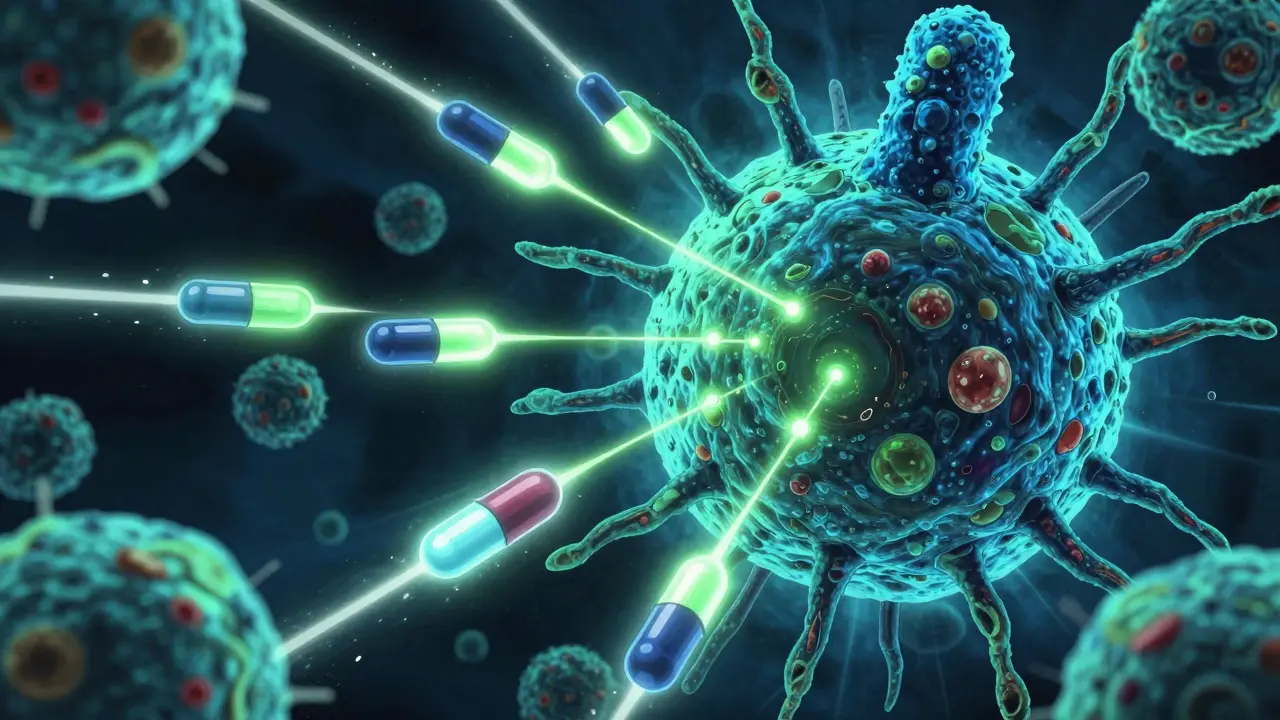
Quick Guide to Antibiotics
- Purpose: Specifically treat bacteria; they do nothing for viruses like the common cold or flu.
- Bactericidal vs. Bacteriostatic: Some kill bacteria outright, while others just stop them from multiplying.
- Core Classes: Beta-lactams (cell wall), Protein Synthesis Inhibitors (ribosomes), and Nucleic Acid Inhibitors (DNA).
- Resistance: Overusing broad-spectrum drugs can lead to "superbugs" and disrupt your gut microbiome.
Bactericidal vs. Bacteriostatic: The Two Ways to Fight
Not all antibiotics work the same way. Some are like a sledgehammer, while others are more like a freeze-frame button. Bactericidal agents actually kill the bacteria. They target vital structures, like the cell wall, causing the bacterium to burst. This is crucial for patients with weak immune systems who can't help the body clear the infection. On the flip side, Bacteriostatic drugs don't kill the bacteria immediately. Instead, they stop the bacteria from growing or dividing. They basically put the infection on pause, giving your own white blood cells enough time to come in and finish the job.The Cell Wall Destroyers: Beta-Lactams and Glycopeptides
Think of a bacterium as a balloon filled with water. The cell wall is what keeps the balloon from popping. If you poke holes in that wall, the water pressure inside becomes too much, and the cell explodes. This is exactly how Beta-lactams work. These drugs, which include penicillins and cephalosporins, use a clever trick. They mimic a part of the bacterial cell wall, tricking the bacteria into incorporating the drug into its structure. Once the drug is in, it binds to proteins called PBPs (penicillin-binding proteins), preventing the wall from cross-linking.| Generation | Primary Targets | Example Drug |
|---|---|---|
| 1st Generation | Mainly Gram-positive bacteria | Cefalexin |
| 2nd Generation | Gram-positive + some Gram-negative | Cefuroxime |
| 3rd Generation | Strong Gram-negative coverage | Ceftriaxone |
| 4th Generation | Broad-spectrum (Both) | Cefepime |
Stopping the Factory: Protein Synthesis Inhibitors
Bacteria need proteins to function, and they build these proteins using a machine called a ribosome. If you jam the machine, the bacteria can't eat, grow, or reproduce. Different classes of antibiotics target different parts of this machine:- Macrolides (like Azithromycin): These bind to the 50S ribosomal subunit. They effectively stop the "assembly line" from moving forward.
- Tetracyclines (like Doxycycline): These bind to the 30S subunit, blocking the attachment of tRNA, which is like removing the blueprints from the factory floor.
- Aminoglycosides (like Gentamicin): These cause the ribosome to misread the genetic code, creating "broken" proteins that can kill the cell.
- Oxazolidinones (like Linezolid): A newer, synthetic class that stops the protein-building process right at the very beginning.
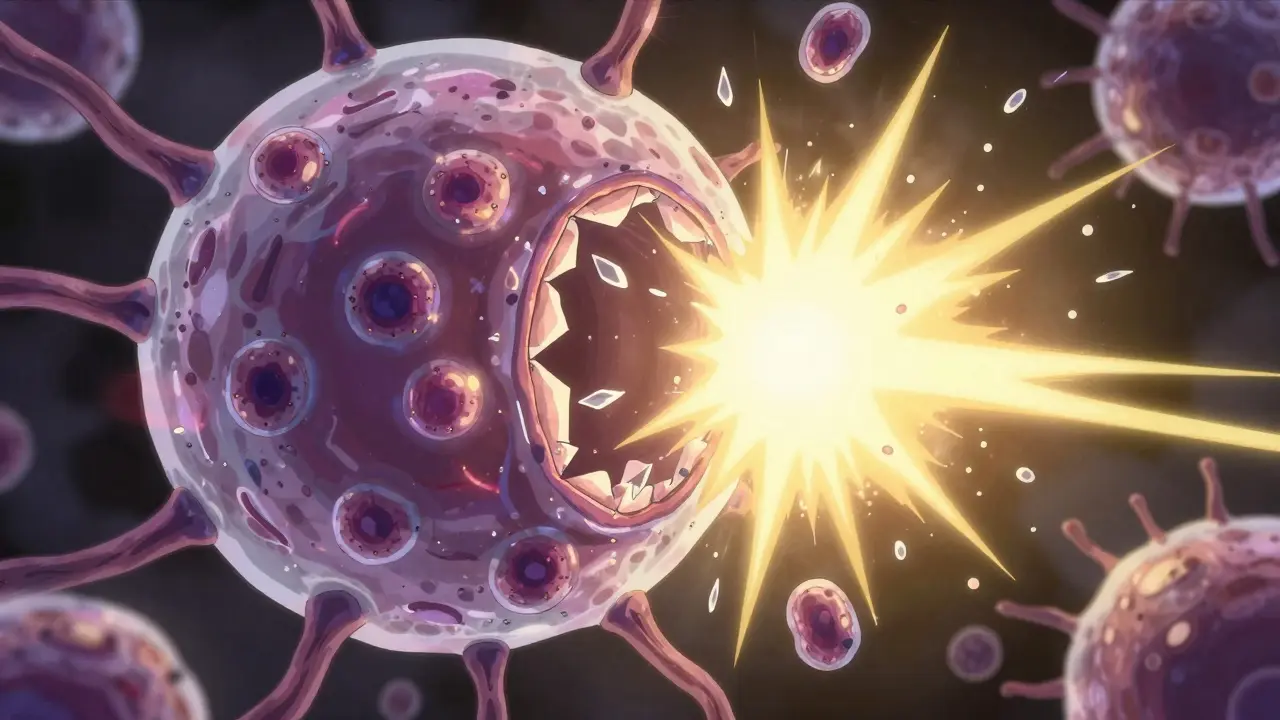
The Genetic Attack: Nucleic Acid Inhibitors
If the cell wall is the skin and proteins are the machinery, DNA is the instruction manual. Fluoroquinolones, such as Ciprofloxacin, target the enzymes that help DNA unwind and replicate. By inhibiting DNA gyrase and topoisomerase IV, these drugs essentially tangle the bacterial DNA into a knot, making it impossible for the cell to copy its genetic information. While powerful and able to penetrate deep into tissues and bone, they come with a warning: the FDA has flagged them for potential tendonitis and nerve damage in some patients.The Hidden Costs: Microbiome and Resistance
It's tempting to ask for the strongest, broadest antibiotic for every infection, but that's a dangerous game. Broad-spectrum antibiotics don't just kill the "bad" bacteria; they wipe out the beneficial bacteria in your gut. Research shows this can disrupt your microbiome for up to a year, significantly increasing the risk of a Clostridioides difficile infection, which causes severe colitis. Bacteria also fight back using enzymes. For example, some bacteria produce beta-lactamases-enzymes that chew up the beta-lactam ring of penicillin before it can do any damage. This is why some infections are "resistant" and require different, more specialized drugs.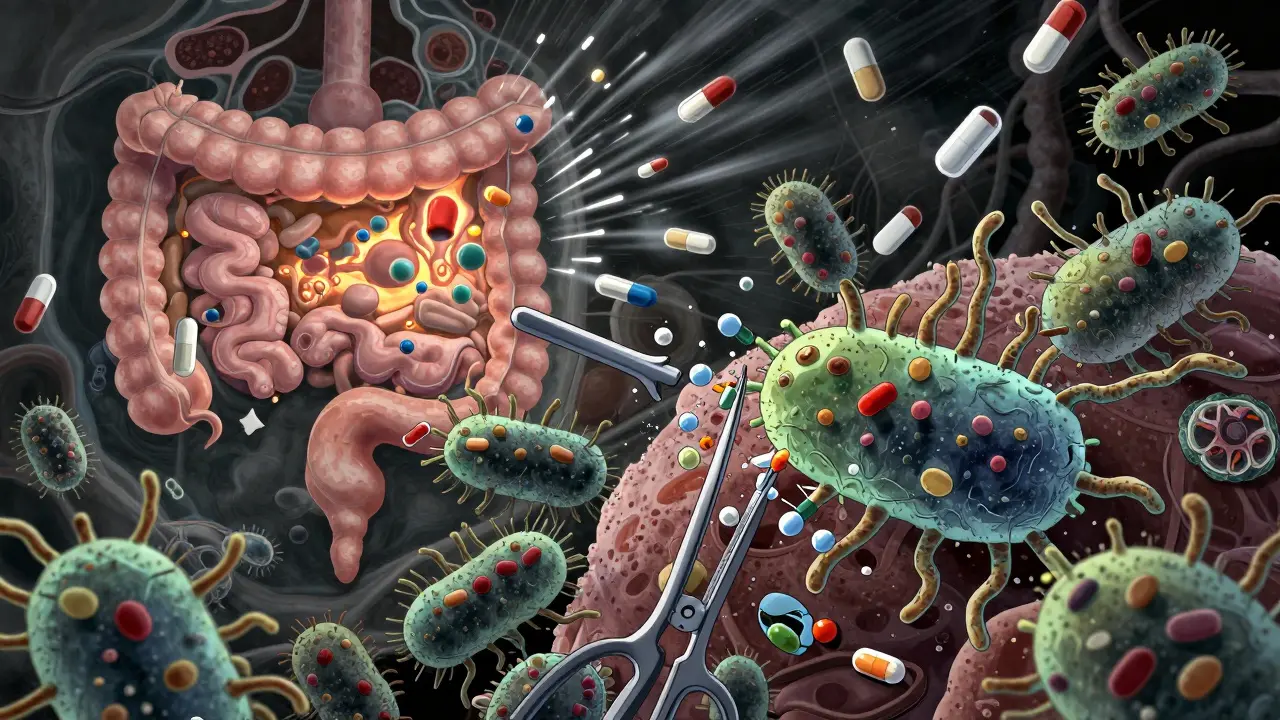
Choosing the Right Tool: Practical Considerations
How do doctors decide which one to use? It's a mix of the site of infection, the suspected bacteria, and the patient's history. For a simple case of strep throat, a narrow-spectrum penicillin is usually the gold standard. However, if a patient has a complex urinary tract infection, a doctor might lean toward a fluoroquinolone or a cephalosporin. In severe hospital settings, they might use "siderophore" antibiotics like Cefiderocol, which trick the bacteria into pulling the drug inside by pretending to be iron.Why can't I take antibiotics for a cold or the flu?
Colds and flu are caused by viruses, not bacteria. Antibiotics only target bacterial structures, like cell walls or bacterial ribosomes. Since viruses don't have these structures, the drugs have nothing to attack. Taking them for a virus won't make you feel better and will only increase the risk of antibiotic resistance.
What does "antibiotic resistance" actually mean?
Resistance happens when bacteria evolve to survive the drugs designed to kill them. This can happen through mutations that change the drug's target site or by producing enzymes that destroy the antibiotic. It's a global health crisis because it makes common infections potentially untreatable.
Do I need to finish my entire course of antibiotics even if I feel better?
Yes. If you stop early, the most resistant bacteria may still be alive. These survivors can then multiply and create a new population of "superbugs" that are immune to that drug, making the next infection much harder to treat.
Which antibiotic class is generally the safest?
Beta-lactams (like penicillins) are generally considered among the safest for most people because they target the cell wall, a structure humans simply don't have. However, safety always depends on individual allergies-penicillin allergies are quite common.
What is a "broad-spectrum" antibiotic?
A broad-spectrum antibiotic is one that is effective against a wide range of different bacteria, both Gram-positive and Gram-negative. While useful when the exact bacteria are unknown, they are more likely to kill the "good" bacteria in your gut compared to narrow-spectrum drugs.